 Kadodi Media House Your media place
By Our Staff Reporter
KAMPALA, UGANDA — October 8, 2026
The Netherlands remains one of Uganda’s leading sources of foreign direct investment, with more than 200 Dutch-affiliated companies currently operating in the country.
The Head of the State House Investors Protection Unit (SHIPU), Col. Edith Nakalema, said Dutch companies have continued to play an important role in Uganda’s economic development, particularly in agriculture, agribusiness, renewable energy, transport and logistics.
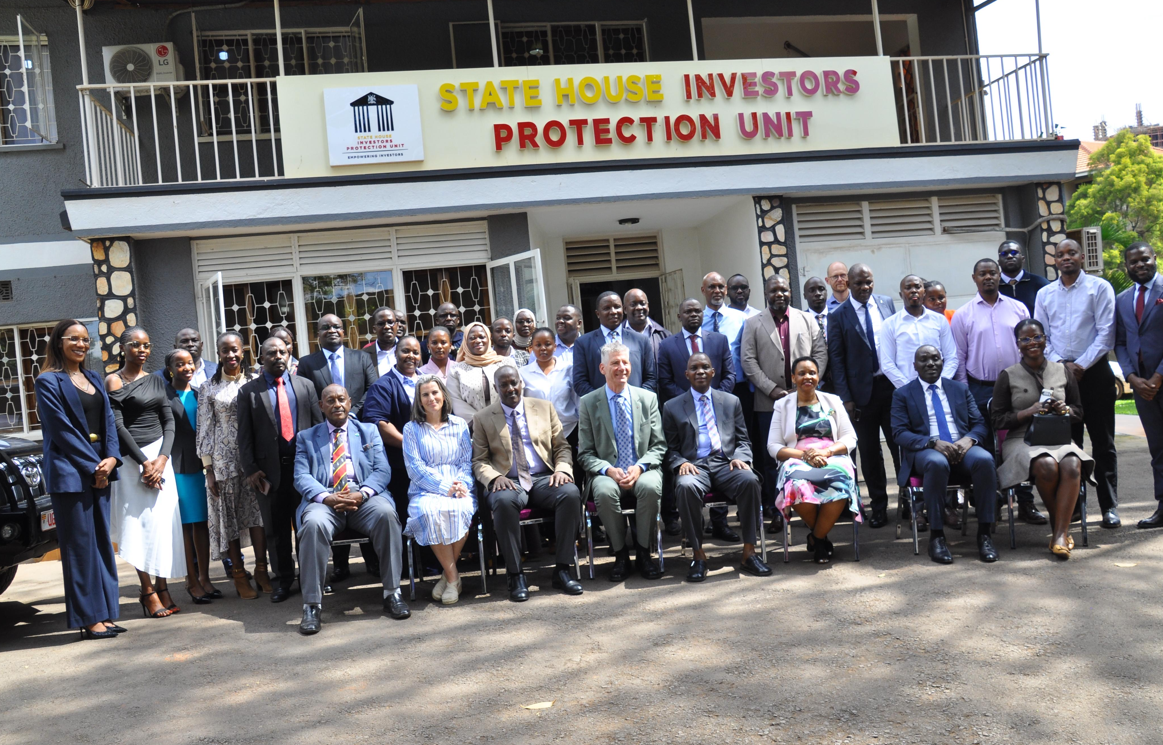
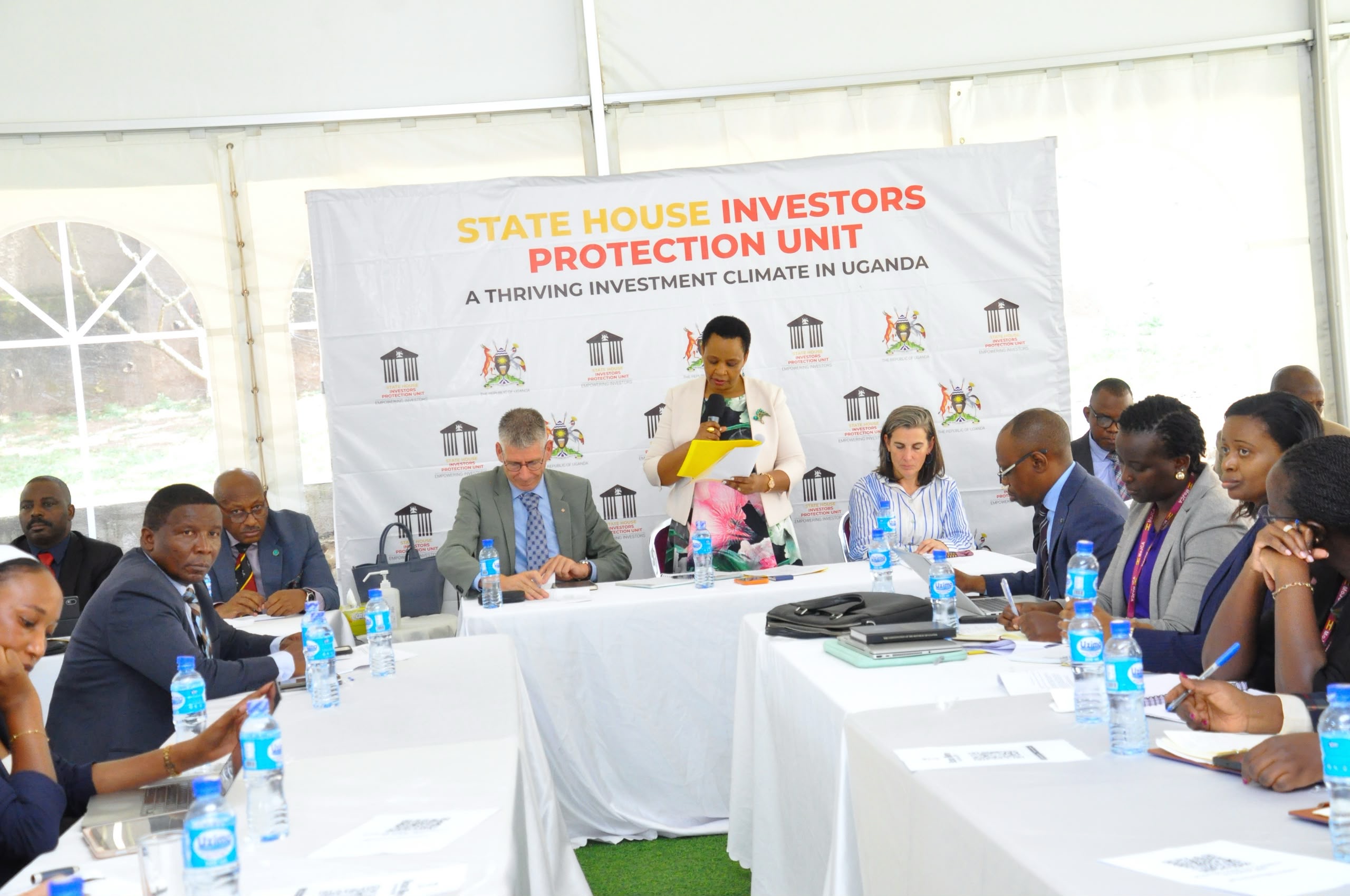
Col. Nakalema made the remarks on Wednesday, October 7, 2026, during a meeting between SHIPU, government agencies and members of the Netherlands-Uganda Trade and Investment Platform (NUTIP) in Kampala. The meeting focused on challenges affecting investors, including taxation, tax disputes, economic policies and governance.
According to Col. Nakalema, Dutch companies are especially active in horticulture, floriculture, animal and fish feed production and aquaculture. She said that by June 2026, the Netherlands accounted for 58.8 percent of total foreign direct investment inflows into Uganda.
She noted that Dutch investments are contributing not only capital but also jobs, innovation, skills development and other economic opportunities for Ugandans.
Col. Nakalema assured Dutch investors that SHIPU would continue working with government ministries, departments and agencies to address investment challenges and reduce unnecessary delays.
She said President Yoweri Kaguta Museveni established SHIPU with a mandate to make Uganda a “zero-delay destination” for both local and foreign investors.
She encouraged investors to use the Electronic Investors’ Protection Portal (EIPP), a digital platform launched in 2023 that connects more than 75 government ministries, departments and agencies. The platform enables investors to carry out due diligence and verify government processes with less direct interaction.
Col. Nakalema described the engagement with NUTIP as solution-oriented and said concerns raised by investors would receive follow-up and coordination from SHIPU.
She also reaffirmed the government’s commitment to protecting existing investments while supporting companies that want to expand their businesses in Uganda.
Netherlands calls for improved business environment
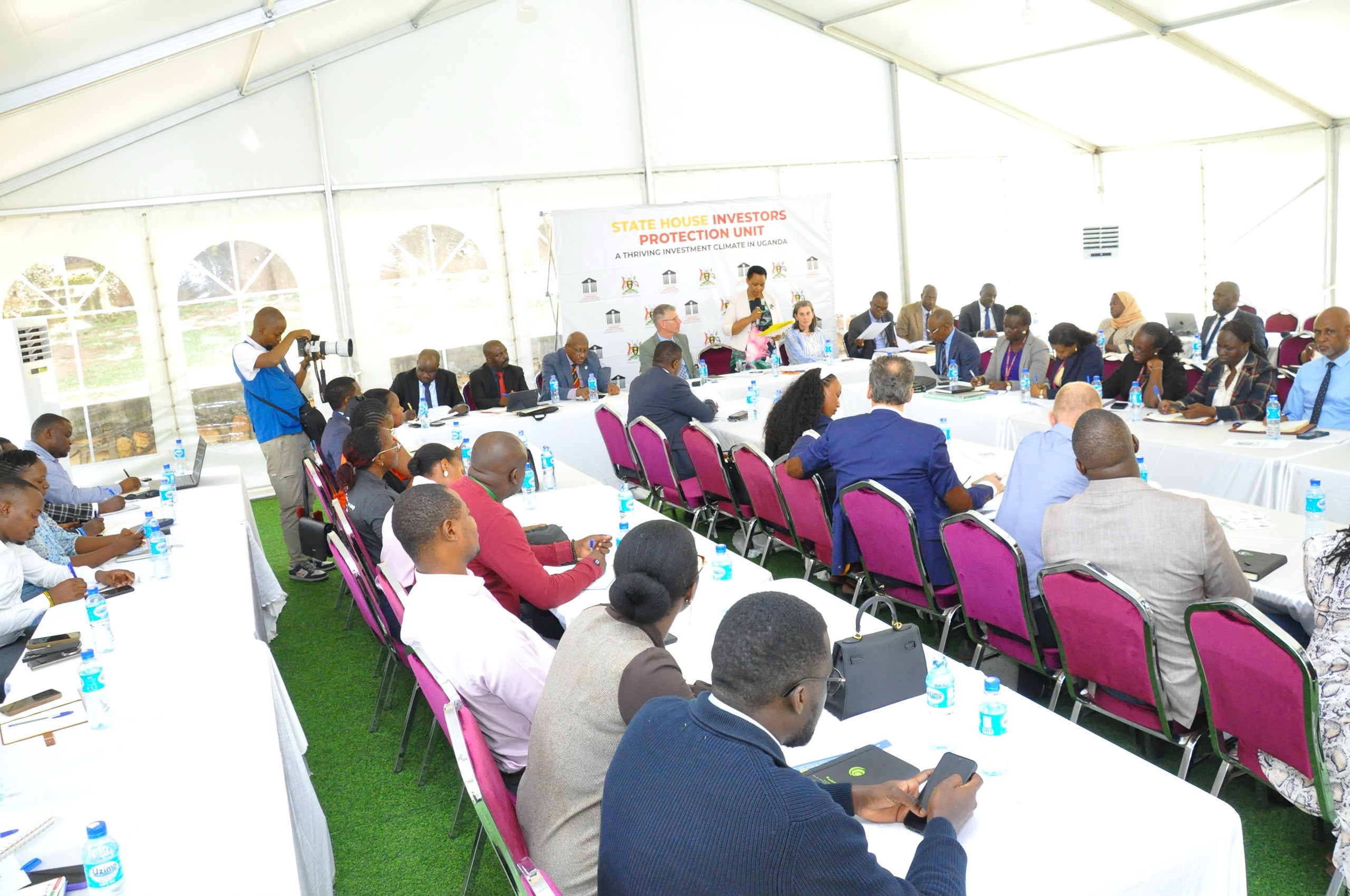
The Deputy Ambassador of the Netherlands to Uganda, H.E. Bouwe-Jan Smeding, welcomed the engagement and said Uganda and the Netherlands share a common goal of creating a better business environment.
Smeding said an improved investment climate would benefit businesses, increase foreign exchange earnings and support Uganda’s wider economic development.
He said the Netherlands was also shifting its relationship with Uganda from traditional development cooperation towards a stronger investment-focused partnership. The country’s Multiannual Country Strategy for 2026 onwards reflects the new approach while continuing support for areas such as smallholder agriculture.
The Deputy Ambassador also called for continued dialogue on taxation and other regulatory issues, saying investors need clear information about government policies and the handling of tax disputes.
Government highlights economic challenges
The Director of Economic Affairs at the Ministry of Finance, Planning and Economic Development, Moses Kaggwa, said Uganda is facing several external economic pressures, including rising fuel prices, geopolitical tensions in the Middle East and exchange-rate depreciation.
Kaggwa said the government and Bank of Uganda were monitoring the situation and taking measures to control excessive depreciation of the shilling and inflation.
Despite the challenges, he said Uganda’s exports remained strong and were expected to reach about US$18.42 billion. Coffee, cocoa and vegetables exported to the European Union were among the products supporting the country’s foreign exchange earnings.
He said the government was focused on building an economy based on production and value addition rather than imports and retail trade.
Kaggwa identified agriculture, tourism, mineral development, science and technology and industry as important areas in Uganda’s economic transformation agenda. He also said the private sector contributes about 80 percent of the country’s GDP, making it a key partner in economic development.
NUTIP seeks stronger government-business partnership
NUTIP Board Chairperson Mark Dieleman called for stronger cooperation between government and the private sector to create a safe and predictable environment for investors.
Dieleman said a strong private sector was essential for economic growth and called for continued government support and protection of businesses.
He also expressed support for efforts to strengthen trade and investment relations between Uganda and the Netherlands, saying Dutch companies were making an important contribution to Uganda’s foreign exchange earnings.
Government addresses regulatory concerns
The meeting also discussed the implementation of Uganda’s Protection of Sovereignty Act.
Dr. Okello Stephen, Secretary of the NGO Bureau, said no foreign agency had been registered under the Act at the time of the meeting. He said the government had developed an implementation framework and planned a nationwide sensitisation campaign to explain the law and its implications.
The Uganda Revenue Authority also assured investors that it was committed to providing investor-friendly tax administration and avoiding unnecessary delays.
URA representative Abel Kagumire explained that eligible raw materials used in production can benefit from duty remission under Uganda and East African Community mechanisms.
He added that agricultural inputs, machinery and equipment used in agro-processing enjoy various tax incentives, depending on their classification under the law.
Investors seek clarity on taxes and regulations
NUTIP board member Donah Loyce Katushabe said investors were seeking greater clarity on tax incentives, the taxation of different business models and the implementation of the Protection of Sovereignty Act.
She also raised concerns about the treatment of foreign companies supplying goods from outside Uganda, particularly the use of foreign currency in contracting.
The meeting brought together officials from SHIPU, the Ministry of Finance, URA, the Netherlands Embassy, the Uganda Free Zones and Export Promotion Authority, the Tax Arbitration Tribunal, the International Development Law Organisation and other institutions.
The engagement is expected to strengthen cooperation between Uganda and the Netherlands while helping address challenges faced by investors and improve the country’s investment environment.