 Kadodi Media House Your media place
By Our Staff Reporter
KAMPALA, UGANDA — October 7, 2026
A nationwide government campaign against corruption and misuse of public resources has intensified, with at least Shs22.7 billion linked to corruption-related complaints and cases now under investigation.
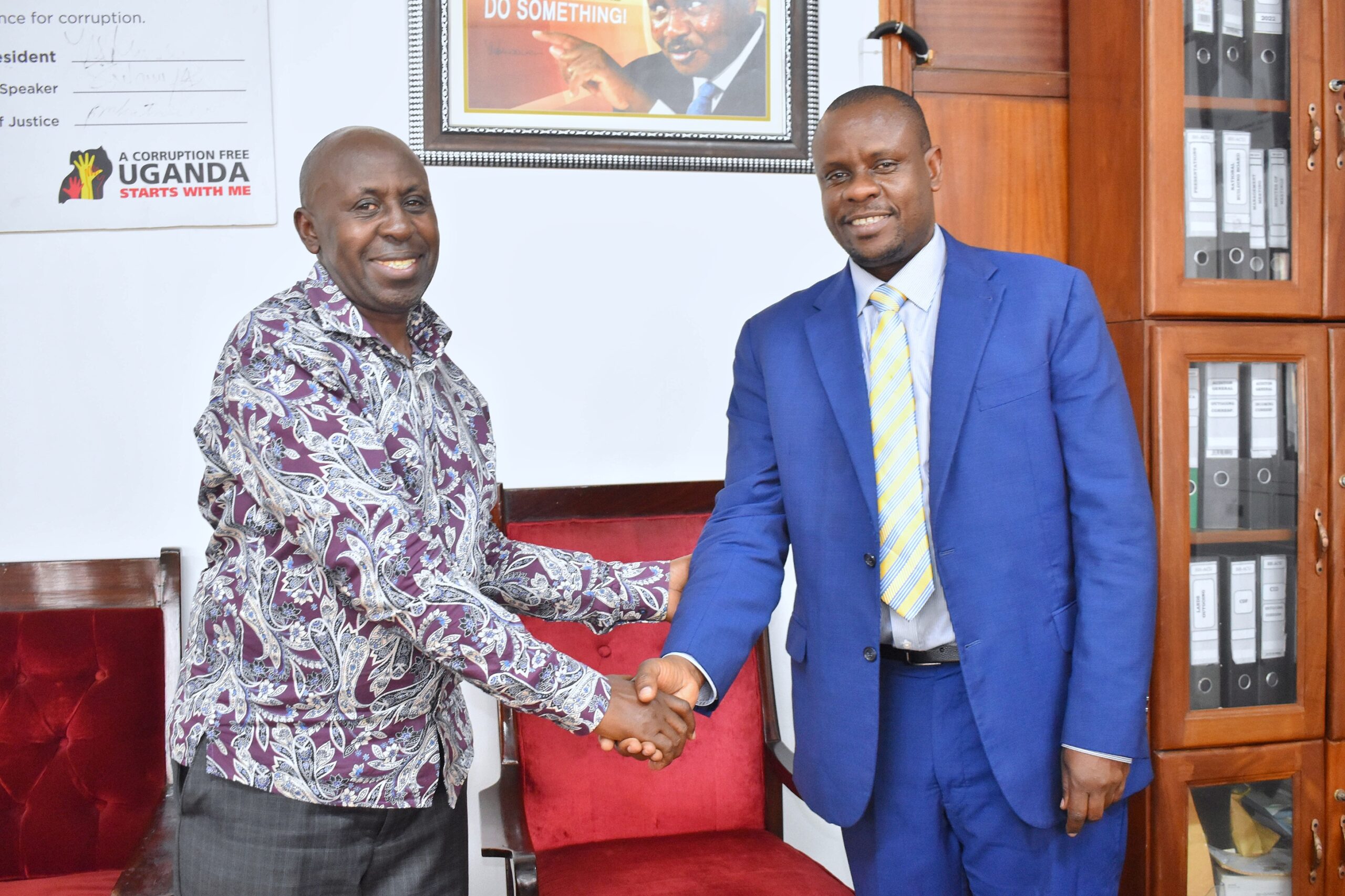
The campaign, known as “Expose the Corrupt,” is being implemented through a multi-agency approach led by the Minister of Local Government, Hon. Balaam Barugahara, together with the State House Anti-Corruption Unit (SHACU).
So far, the campaign has led to the arrest of 267 suspects, the interdiction of 253 officials and the arraignment of nearly 40 accused persons.
The campaign is part of President Yoweri Kaguta Museveni’s directive to strengthen accountability in government programmes and ensure that public resources are used for their intended purposes.
Shs22.7 billion still under investigation
SHACU head, Brig. Gen. Henry Isoke, cautioned that the Shs22.7 billion should not be interpreted as money that has already been proven to have been stolen or lost.
He said the figure represents funds connected to matters that are still being investigated, with the actual financial loss, recoverable funds and possible criminal liability to be determined through audits, verification of financial records and other investigations.
Brig. Gen. Isoke made the remarks during an engagement with the Presidential Press Unit team in Kampala, where he explained the progress of the anti-corruption campaign.
The campaign brings together SHACU, the Criminal Investigations Directorate (CID), the Directorate of Public Prosecutions (DPP) and other government agencies to investigate allegations of corruption, abuse of office, misuse of public resources and poor service delivery.
Museveni pushes direct citizen engagement
The campaign follows President Museveni’s call for government leaders and anti-corruption agencies to move beyond relying on reports from local officials and instead engage directly with communities.
The President has repeatedly urged leaders to establish from citizens whether government programmes are actually delivering the services they were designed to provide.
Addressing the NRM Parliamentary Caucus at Kololo Ceremonial Grounds last week, Museveni said Uganda would have made greater economic progress if corruption had not undermined government programmes.
Brig. Gen. Isoke said the multi-agency campaign has created a stronger platform for citizens to report suspected corruption, mismanagement and failures in service delivery.
He said the success of the campaign should not only be measured by the number of arrests but also by its ability to expose weaknesses in government systems, recover public resources and improve service delivery.
124 case files generated
According to Brig. Gen. Isoke, complaints received through the campaign have so far resulted in 124 case files, which are at different stages of investigation, review and prosecution.
He explained that not every complaint raised during public engagements automatically becomes a criminal case. Each complaint is independently assessed to determine whether it can support further action.
The investigations have focused on several areas, including procurement and contract management, recruitment by District Service Commissions, land administration, Parish Development Model (PDM) funds, infrastructure, roads, schools and health facilities.
Other complaints have involved illegal charges in government schools, abuse of office, misuse of public resources and weaknesses in supervision.
Brig. Gen. Isoke also explained why the number of people arrested is significantly higher than those who have been taken to court.
He said an arrest does not automatically lead to prosecution because investigators and prosecutors must first establish sufficient evidence to support criminal charges.
Some suspects remain under investigation, while others may be released where evidence is not sufficient at a particular stage. Other cases require additional documentation, audits, forensic examinations or expert analysis before they can proceed.
He said arrests may sometimes be necessary to prevent interference with investigations, secure evidence and establish facts surrounding alleged offences.
Campaign targets local government services
The “Expose the Corrupt” campaign has covered several parts of Uganda, including Busoga, Bukedi, Bugisu, Sebei, Ankole, Buganda and Tooro.
It is currently operating in the Bunyoro sub-region, where teams are carrying out investigations in Kiryandongo, Masindi, Buliisa, Hoima and Hoima City.
The teams are inspecting government facilities and programmes, including health centres, roads, schools, markets and wealth-creation initiatives such as PDM and Emyooga.
In Busia, the campaign uncovered allegations involving inflated school enrolment figures, illegal school charges, poor infrastructure, missing streetlights, irregularities in PDM funds and poor service delivery.
In July, four Mbale local government officials arrested during the campaign were arraigned before the Anti-Corruption Court over allegations that included unlawful charging of school fees under the Universal Secondary Education programme and abuse of office.
The close cooperation between SHACU and Minister Balaam Barugahara has raised questions about the independence of the anti-corruption investigations.
However, Brig. Gen. Isoke defended the partnership, saying the fight against corruption requires cooperation among government institutions and other stakeholders.
He credited Minister Barugahara with helping strengthen coordination between anti-corruption agencies and local government structures, as well as mobilising leaders and citizens to participate in the campaign.
Brig. Gen. Isoke said the ultimate goal of the campaign is to strengthen government systems, recover public resources, improve accountability and ensure better service delivery to Ugandans.
He also called for continued public participation, saying citizens play an important role in identifying corruption and failures in government programmes at community level.
The campaign is expected to continue expanding as government seeks to strengthen accountability and ensure that public resources reach the intended beneficiaries.