 Kadodi Media House Your media place
By Our Staff Reporter
Mbale, Uganda | March 23, 2026-Namatala, a densely populated informal settlement on the outskirts of Mbale, has become a place of survival for many low-income families seeking a better life.
Locally known as “Kikoromojo,” the area is home to a diverse mix of communities, including Iteso and Karamojong migrants. Most residents moved to the settlement due to economic hardship, hoping to find work and affordable living conditions.
Migration in Search of Survival
Many Karamojong families migrated from the Karamoja sub-region after years of drought and limited opportunities. Others from neighboring regions also settled in Namatala in search of jobs and access to urban services.
With relatively low rent and proximity to Mbale town, the settlement has remained one of the few options for people with limited income.
A Community Bound by Shared Struggles
Despite cultural differences, residents have built strong social connections. Daily life in Namatala is marked by cooperation, with neighbors supporting each other through shared food, childcare, and information about job opportunities.
These informal support systems have become essential in an environment where government services are limited.
Unemployment and Discrimination
However, life in Namatala remains difficult. Many residents report facing discrimination when seeking employment in Mbale town.
“Some employers hesitate to hire people from Namatala because of negative perceptions,” said John Cheli, a youth living in the area.
As a result, many depend on informal work such as street vending, casual labor, and small businesses. These jobs often provide unstable and insufficient income.
Poor Living Conditions Persist
Housing in the settlement is largely temporary, with most structures built from mud, timber, and iron sheets.
Access to clean water, healthcare, and sanitation services is still limited, making living conditions challenging for many families.
Local leader John Paul Okila noted that despite these hardships, residents continue to stay because they cannot afford better housing elsewhere.
A Painful Past
Residents also recall a tragic incident in which more than 300 houses were destroyed by fire.
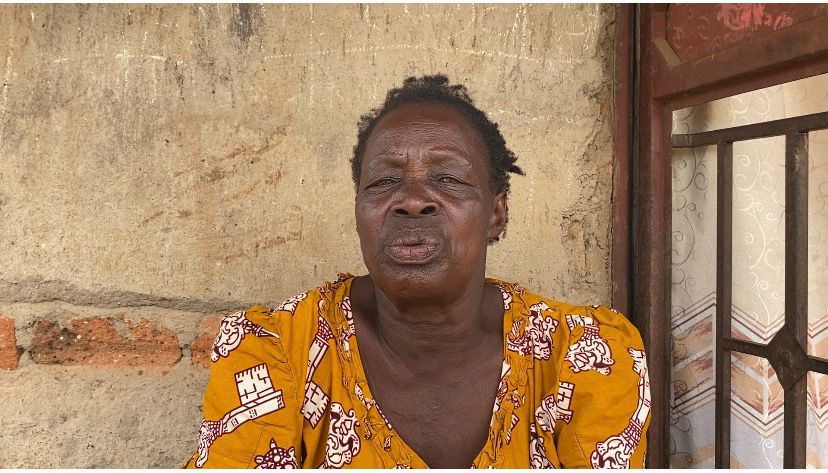
According to elder Anna Margret Loumo, the cause of the fire was never established. Government intervention at the time provided relief items such as food and mattresses, helping affected families to resettle.
Resilience and Hope
Despite the challenges, Namatala is not only a place of struggle but also one of resilience. Residents continue to work hard to improve their lives, with many families prioritizing education for their children.
Community support remains a key pillar, helping people cope with daily hardships.
Call for Inclusive Development
Namatala reflects the broader challenges facing informal settlements across Uganda. While residents demonstrate strength and determination, issues such as poverty, discrimination, and lack of basic services persist.
There is growing need for inclusive policies that improve access to opportunities and essential services for marginalized communities.
For now, the people of Namatala continue to push forward, building their lives step by step in a place they call home.