 Kadodi Media House Your media place
ENTEBBE, UGANDA — October 9, 2026
President Yoweri Kaguta Museveni has called for increased industrialisation, value addition and household wealth creation as Uganda seeks to strengthen its economy and achieve greater economic independence.
Speaking during the country’s 64th Independence Day celebrations on October 9, 2026, at State House Entebbe, the President said Uganda had made significant economic progress since 1986, with the size of the economy growing from approximately USD 3.9 billion to USD 69.3 billion.
The celebrations were held under the theme, “Embracing Our Sovereignty with Hope and Visionary Leadership.”
Museveni said the country’s next stage of development would require increased production, improved household incomes and greater investment in industries that process locally produced raw materials into finished goods.
He also projected that Uganda’s economy would reach nearly USD 74 billion by June 2027, driven by industrial development, value addition, oil production and the expansion of emerging sectors.
The President attributed the country’s earlier economic difficulties to years of political instability, conflict and declining production before the National Resistance Movement (NRM) government came to power in 1986.
“First of all, I congratulate all Ugandans on this occasion of 64 years of Independence. Those 64 years, some of the years were wasted between 1962 and 1986. We had 24 years of conflict and decline and fighting,” he said.
Museveni explained that Uganda’s economic recovery had followed five phases: minimum recovery, expansion, diversification, value addition and the development of a knowledge-based economy.
He said the first phase focused on restoring production in sectors that had collapsed, while later stages aimed at expanding existing industries, introducing new economic activities and increasing the value of locally produced goods.
The President cited improvements in agricultural production, including tea output, which he said had increased from three million kilogrammes to 60 million kilogrammes. Coffee production, he added, had risen from approximately three million bags to nine million bags.
He also highlighted the revival of cotton, coffee and tourism, saying the country needed to continue expanding its productive capacity rather than depending on a limited number of traditional exports.
Museveni urged Ugandans to view agricultural products such as milk, fruits, maize, beans, bananas, millet and fish as commercial opportunities capable of generating income, creating jobs and supplying local industries.
He argued that strengthening agricultural production and connecting farmers to reliable markets would help more households participate in the money economy.
The President identified value addition as one of the country’s most important economic priorities, warning that exporting raw materials limits the income Uganda can earn from its natural and agricultural resources.
He said the country had made progress in processing products such as cotton, milk, bananas, coffee and fruits but needed to expand these industries to retain more wealth locally.
“When you add value, you get much more money than when you sell raw materials,” Museveni said.
Using coffee as an example, he explained that raw coffee could fetch approximately USD 2 per kilogramme, while processed products could command higher prices depending on their quality and market.
He said countries that roast, grind, package and market agricultural products often earn more from the international supply chain than those that export unprocessed commodities.
Museveni also pointed to electric vehicle manufacturing, pharmaceuticals, computers and other technology-based products as areas that could help Uganda develop a knowledge-driven economy.
He said building domestic technological capacity and equipping Ugandans with the necessary skills would be essential to producing higher-value goods and competing in international markets.
Transport Infrastructure to Reduce Business Costs
Museveni identified transport challenges, including traffic congestion and the heavy reliance on roads to move cargo and petroleum products, as major constraints on economic efficiency.
He said the government was pursuing railway development, petroleum pipeline infrastructure and improvements in water transport to reduce pressure on highways and lower the cost of moving goods.
The plans include rehabilitating the existing metre-gauge railway, advancing the Standard Gauge Railway project and developing railway connections to western Uganda and the mineral-rich Karamoja sub-region.
The President said Karamoja had significant deposits of minerals, including marble, limestone and gold, which could support industrial development if transport infrastructure improved.
He estimated that inefficiencies associated with the current transport system cost Uganda approximately USD 1 billion annually.
According to Museveni, a more efficient transport network would lower logistics costs, improve access to markets and make locally manufactured products more competitive.
The President also stressed that national economic growth must translate into improved living standards for ordinary Ugandans.
He said government wealth-creation programmes, including Operation Wealth Creation and the Parish Development Model (PDM), had helped increase the proportion of households participating in the money economy.
According to Museveni, participation had risen from 32 per cent to 61 per cent under Operation Wealth Creation and further to 67 per cent under the Parish Development Model.
He urged political, religious and cultural leaders to identify households that remain outside commercial economic activities and encourage them to engage in productive enterprises.
The government, he said, would continue supporting activities such as coffee growing, fruit farming, dairy production, poultry, piggery, fish farming and pasture development.
Museveni maintained that sustainable poverty reduction requires households to acquire productive assets and establish reliable sources of income rather than depending solely on national economic growth figures.
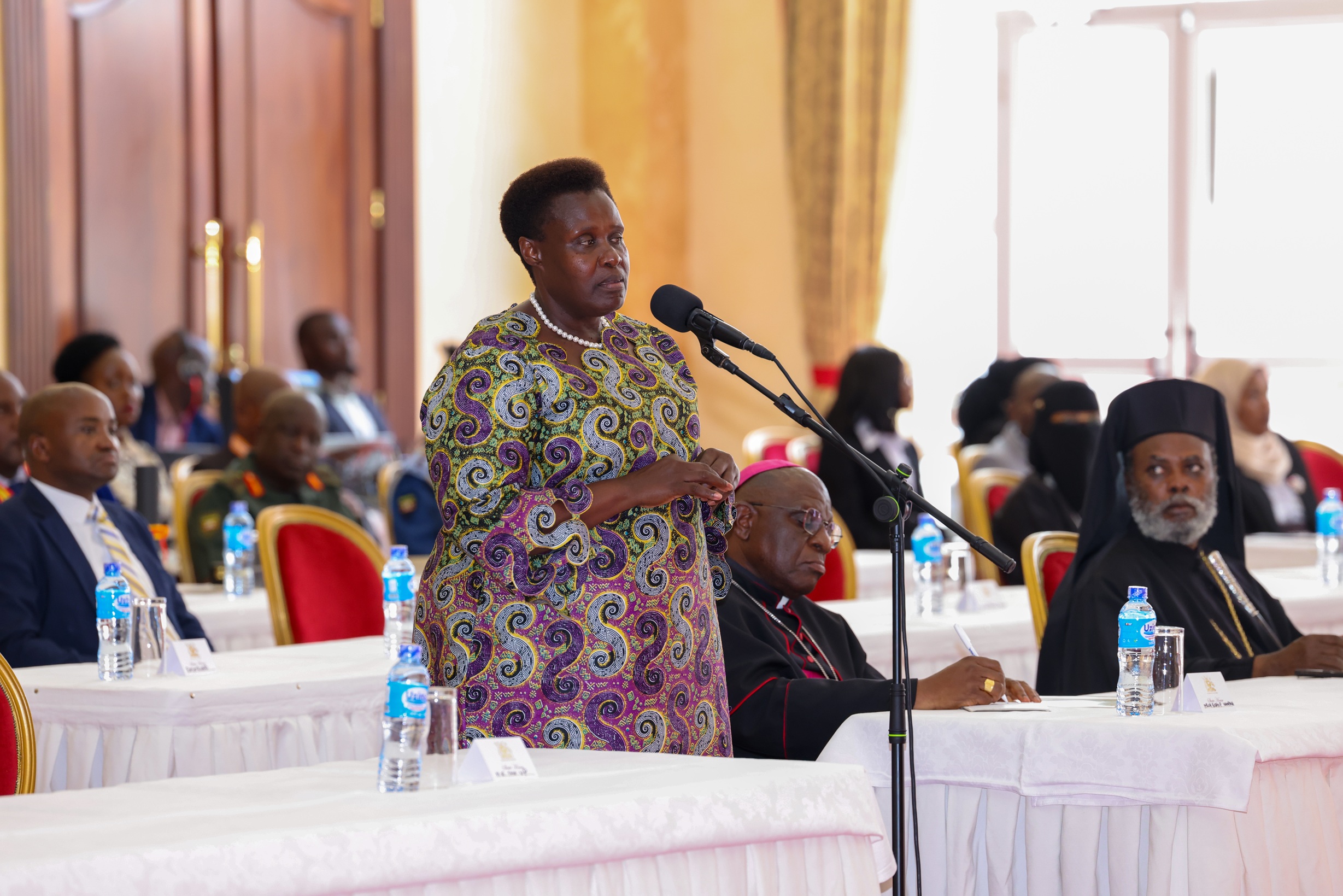
Vice President Jessica Alupo congratulated Ugandans on the 64th anniversary of independence, commending the country’s progress in peace, stability, unity and development.
Alupo also highlighted women’s empowerment and pledged continued support from women leaders towards government development programmes.
She commended the government’s 10-fold growth strategy, which identifies priority sectors for expanding economic activity and improving household incomes.
The Minister for the Presidency, Milly Babirye Babalanda, called on Ugandans to reflect on the country’s history and honour those who contributed to the struggle for independence.
She noted that political independence was only one stage of liberation, arguing that economic and strategic independence remained important to Uganda’s development.
Babalanda said the country needed to move beyond exporting raw materials and increase the production of value-added goods.
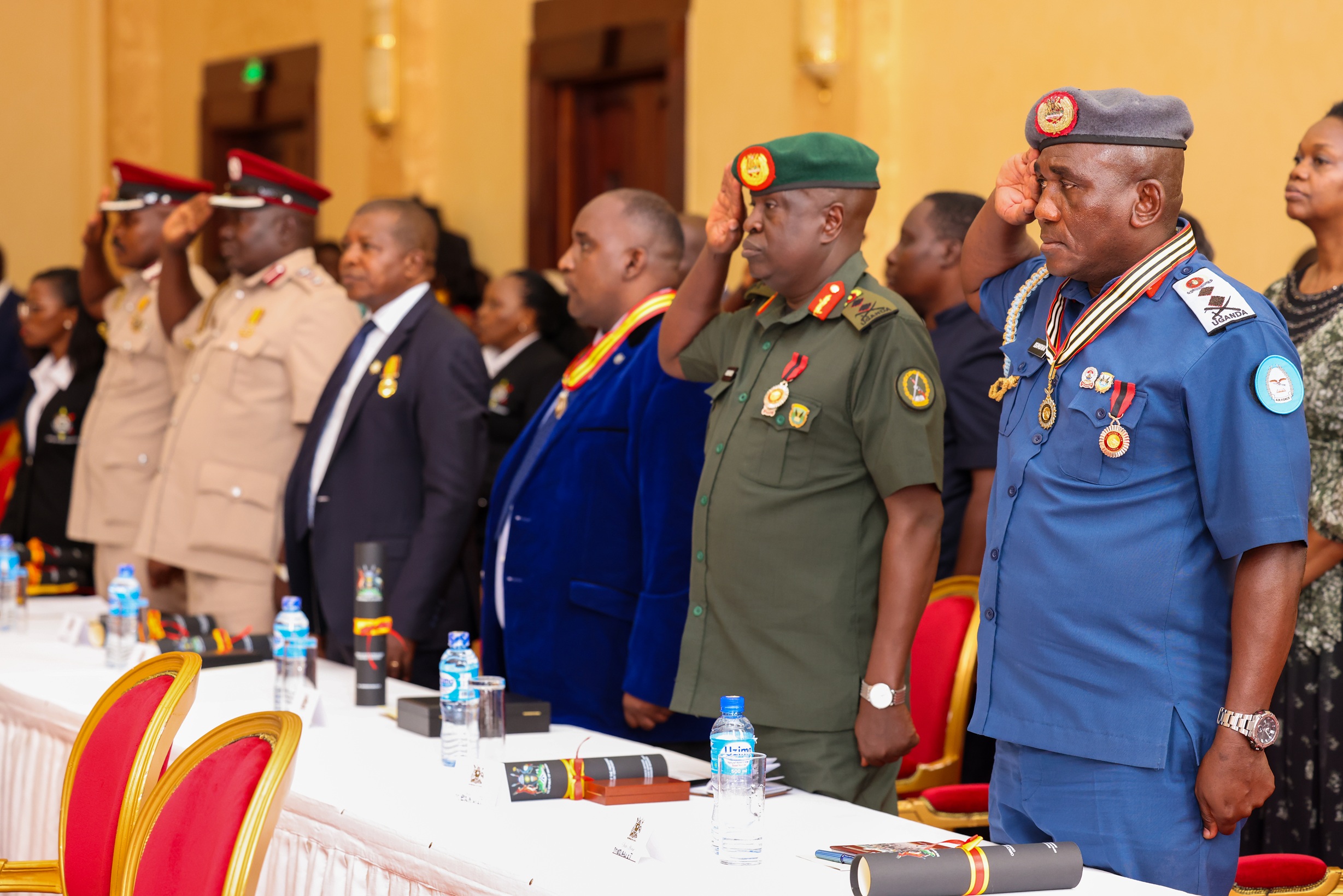
During the celebrations, Museveni received the Order of the Commander-in-Chief, identified in the statement as the Uganda Prisons Service Medal, in recognition of his leadership and contribution to peace, security and the development of the Uganda Prisons Service.
The recognition also highlighted the service’s involvement in production activities, including cotton growing, food security initiatives, locally made furniture and improvements in staff accommodation.
Deputy Chief Justice Moses Kawumi Kazibwe presented the medal on behalf of the Presidential Awards Committee, chaired by Hajjat Zamina Malole.
Nineteen other people, including six women, were also decorated for their contributions to the country. Among them were Commissioner General of Prisons Can. Dr. Johnson Byabashaija, Kampala Parents’ School founder Edward Kasole Bwerere Lwanga, Deputy Commander of the Air Force Maj. Gen. David Isimbwa and Chief of Staff of the Land Forces Maj. Gen. Francis Bagonza.
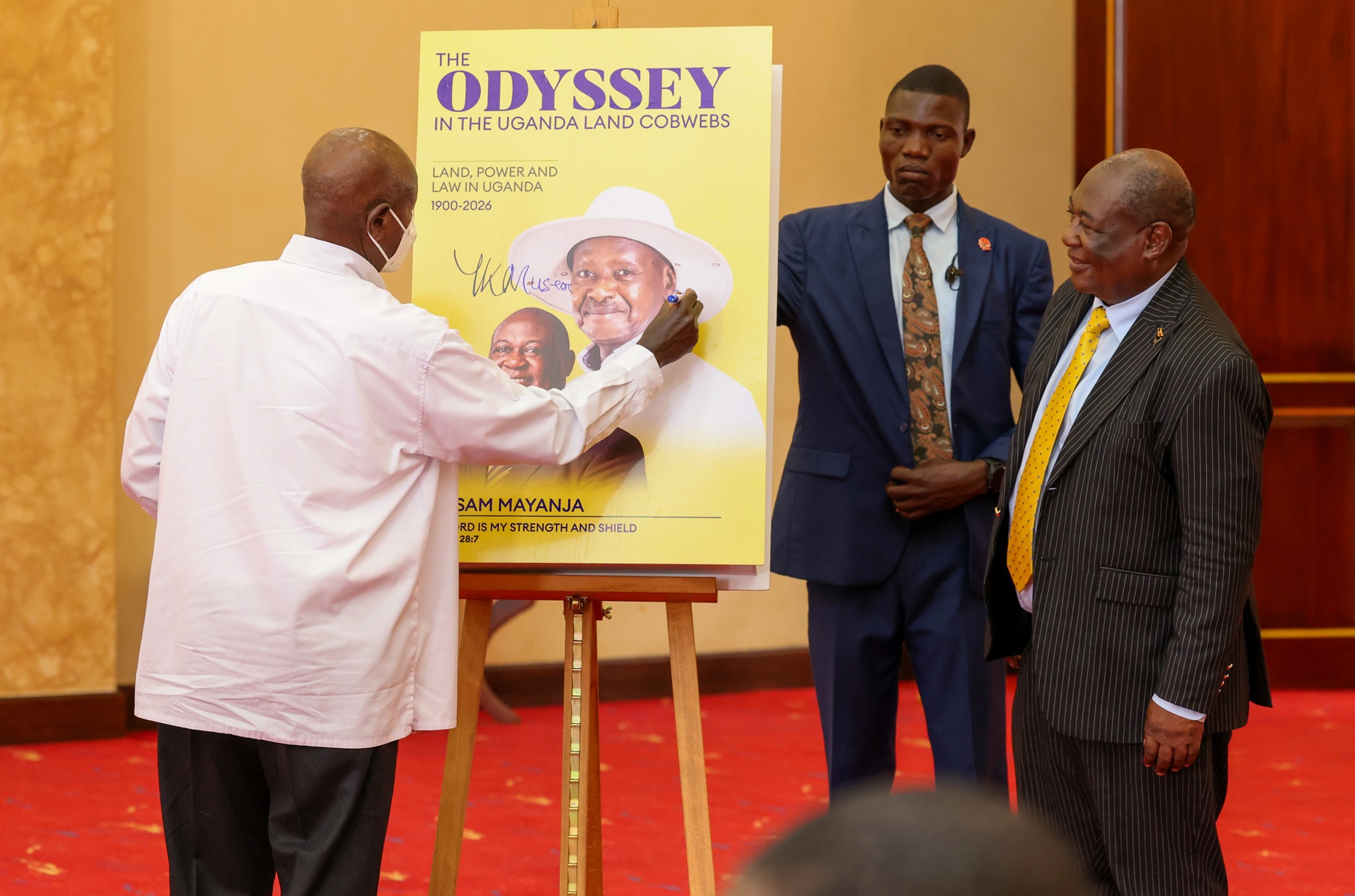
Attorney General Dr. Sam Mayanja also used the occasion to launch his book, The Odyssey in the Uganda Land Cobwebs, which examines land matters in Uganda.
The celebrations were attended physically by a select group of invited guests, while other Ugandans followed the proceedings through Uganda Broadcasting Corporation and other media houses.
As Uganda marks 64 years of independence, Museveni’s message focused on strengthening domestic production, expanding industrial capacity and ensuring that more households benefit from economic opportunities as the country pursues its next phase of development.