 Kadodi Media House Your media place
By Our Staff Reporter
KAMPALA, UGANDA — October 2, 2026
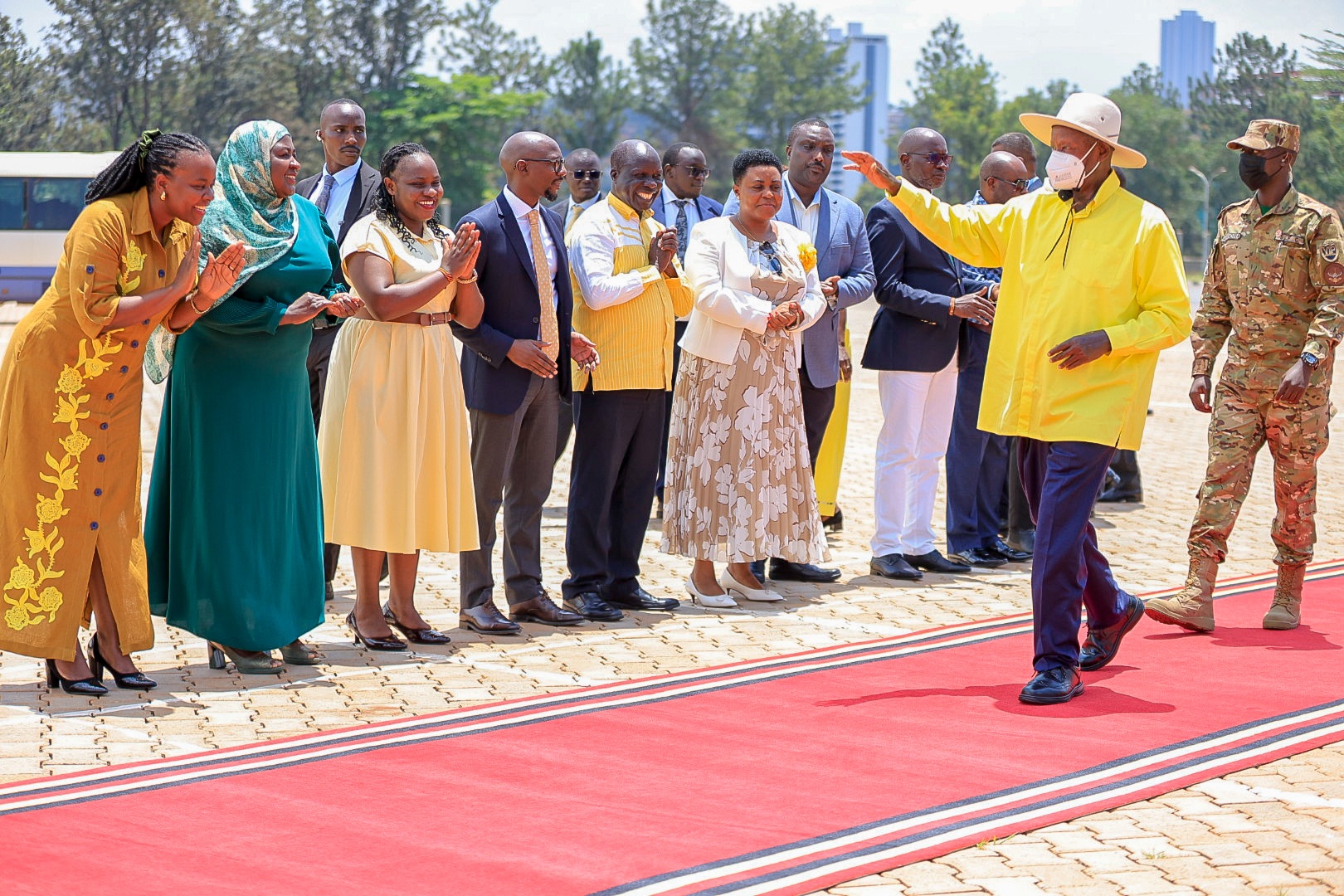
President Yoweri Kaguta Museveni has urged Members of Parliament from the National Resistance Movement (NRM) to return to grassroots methods of leadership by spending more time with citizens and closely monitoring government programmes in their constituencies.
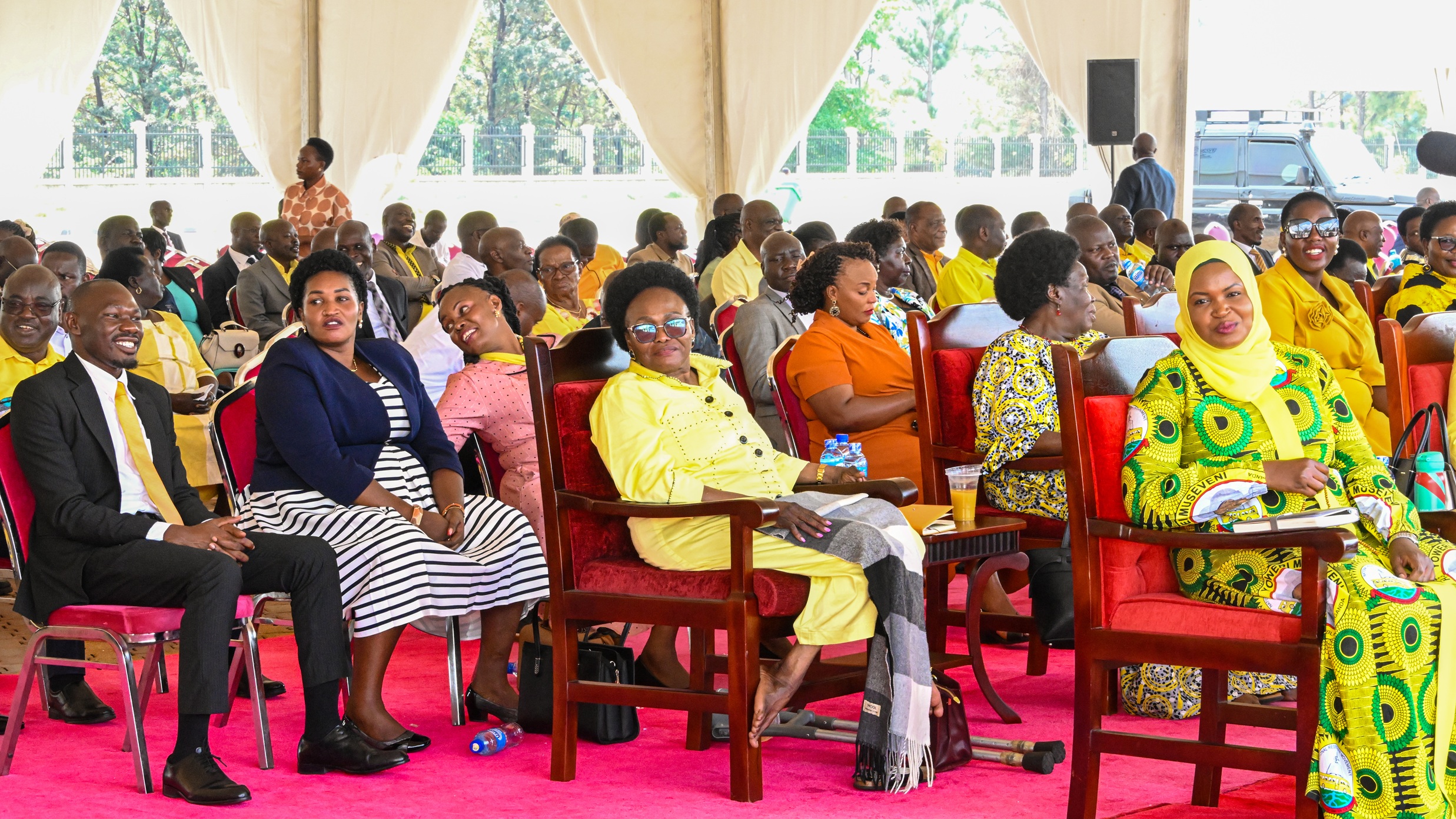
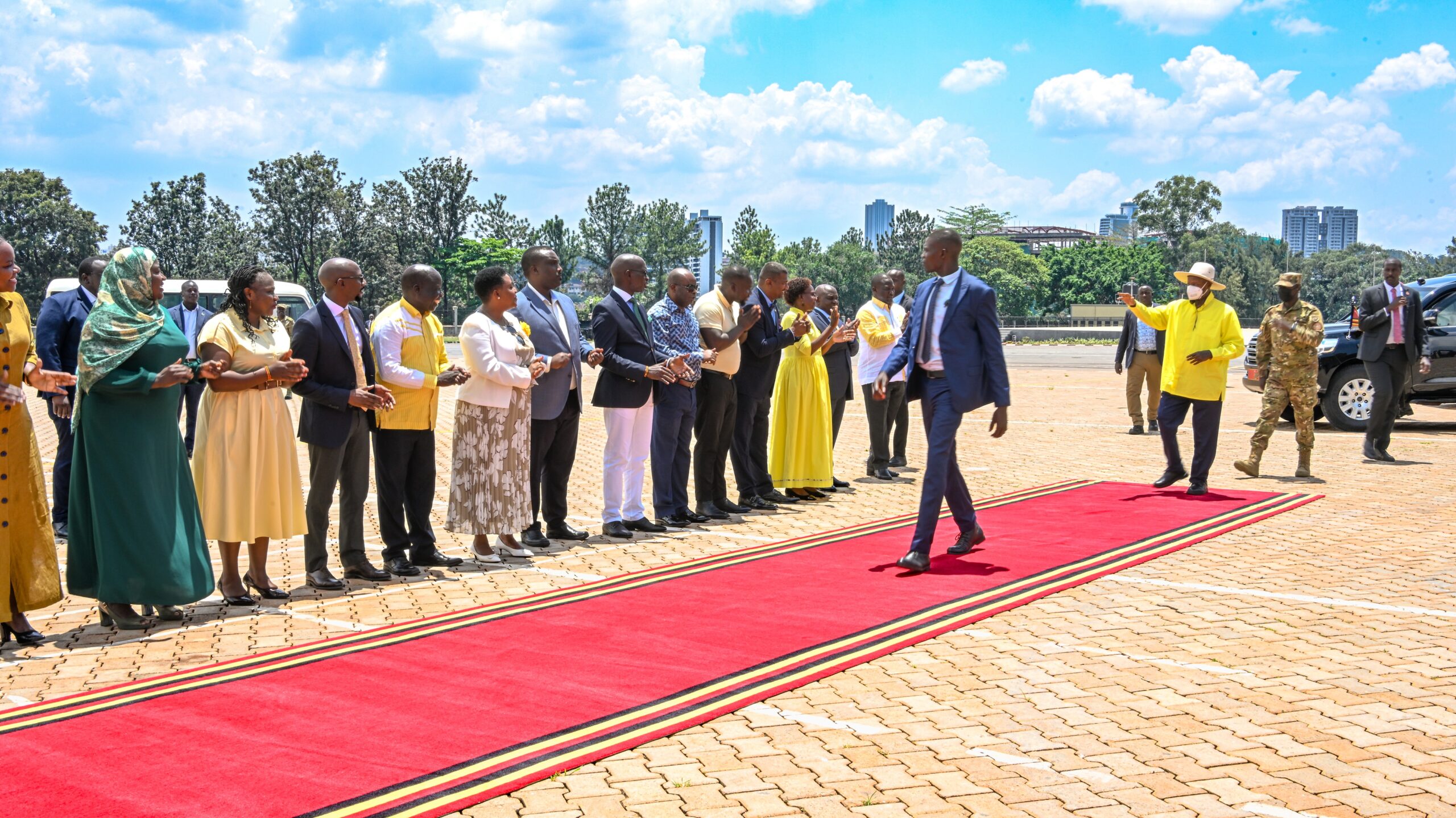
Museveni, who is also the NRM National Chairperson, made the call on Friday, October 2, 2026, while addressing the NRM Parliamentary Caucus at Kololo Independence Grounds in Kampala.
The meeting was held as NRM MPs returned from a three-week parliamentary recess and marked the fourth meeting of the first session of the 12th Parliament.
The President challenged MPs to regularly engage communities, identify problems affecting citizens and follow up on government programmes intended to improve people’s livelihoods.
Museveni also called on NRM lawmakers to embrace a grassroots approach in the fight against corruption, highlighting the work being promoted by Minister for Local Government Balaam Barugahara.
He described the approach as practical and relatively inexpensive, saying direct engagement with communities had previously helped the NRM build strong links with citizens.
The President urged MPs to organise community meetings, including barazas, rather than depending on highly organised events that may create a gap between leaders and the people they represent.
He said leaders should focus on identifying and solving people’s problems instead of concentrating on entertainment and other activities during community engagements.
MPs tasked to monitor PDM funds
Museveni also directed MPs to closely supervise the implementation of the Parish Development Model (PDM) in their constituencies.
He asked lawmakers to establish which families had received PDM funds and identify those that had not yet benefited from the programme.
The President said MPs should ensure that the Shs1 million PDM revolving fund reaches the intended beneficiaries and helps more Ugandans enter the money economy.
He urged MPs to spend more time in their constituencies monitoring the impact of government programmes and helping communities move out of poverty.
The President also directed the Ministry of Internal Affairs and security agencies to investigate reported cases of killings and theft in the Greater Ankole region and neighbouring areas.
He cited reports of killings in Ibanda, cattle theft in Kyankwanzi and other cases of theft in Kagadi as issues requiring attention.
Museveni said he would engage the police leadership to address gaps in policing and improve security in affected communities.
On agriculture, Museveni said irrigation should now be treated as a necessity rather than an option.
He said irrigation would help stabilise agricultural production and increase yields.
The President also reiterated his directive against wetland encroachment, calling for people occupying wetlands to vacate them.
He said government programmes would help some affected communities, particularly in Busoga, Bukedi and Kigezi, transition to alternative activities such as fish farming.
Museveni said Uganda must continue investing in electricity generation despite having a small surplus.
He cited the planned Ayago hydropower project as part of the country’s efforts to increase electricity generation.
He also spoke about plans to improve railway connectivity, including extending railway infrastructure to Karamoja and developing the Standard Gauge Railway towards northern Uganda.
According to Museveni, improved transport infrastructure will strengthen connectivity and help Uganda access regional and international markets.
The President also reiterated the government’s position on adding value to Uganda’s oil resources.
He said the country would continue with plans to develop a petroleum refinery in Hoima, stressing that Uganda should process its natural resources instead of exporting them in raw form.
Museveni used the cotton industry to illustrate the importance of value addition, saying Uganda should process agricultural products through several stages before they reach the final consumer.
He said this approach would increase earnings and create more employment opportunities.
During the meeting, Government Chief Whip and Chairperson of the NRM Parliamentary Caucus, Dr Jane Ruth Aceng, briefed the President on parliamentary matters and challenges facing NRM MPs.
Aceng also informed Museveni that 75 election petitions involving NRM MPs and flag bearers had been filed following the 2026 general elections and requested support for legal facilitation.
She further reported on legislative matters, including the Agriculture Regulatory Bill, 2026, and a parliamentary report concerning the Kampala Expressway and toll collections.
The caucus later adopted nine resolutions covering corruption, government programmes, security, wealth creation, water, energy, infrastructure and regional integration.
The MPs resolved to strengthen monitoring of government programmes, particularly PDM, and intensify the fight against corruption by returning to grassroots engagement.
They also committed themselves to increased monitoring of crime, including livestock and coffee theft and murders.
Focus on water, energy and economic development
The NRM caucus further resolved to prioritise access to water for domestic use and large-scale irrigation.
On energy, the lawmakers supported the development of additional hydropower projects, including Ayago and Kiba, as well as investment in solar and nuclear energy.
The caucus also backed expansion of the railway network and development of the oil refinery as part of efforts to accelerate Uganda’s economic growth.
The MPs pledged to continue supporting regional political and economic integration in East Africa and Africa, with the long-term goal of strengthening trade and building a common market.