 Kadodi Media House Your media place
By Our Staff Reporter
LAMU, KENYA — September 30, 2026
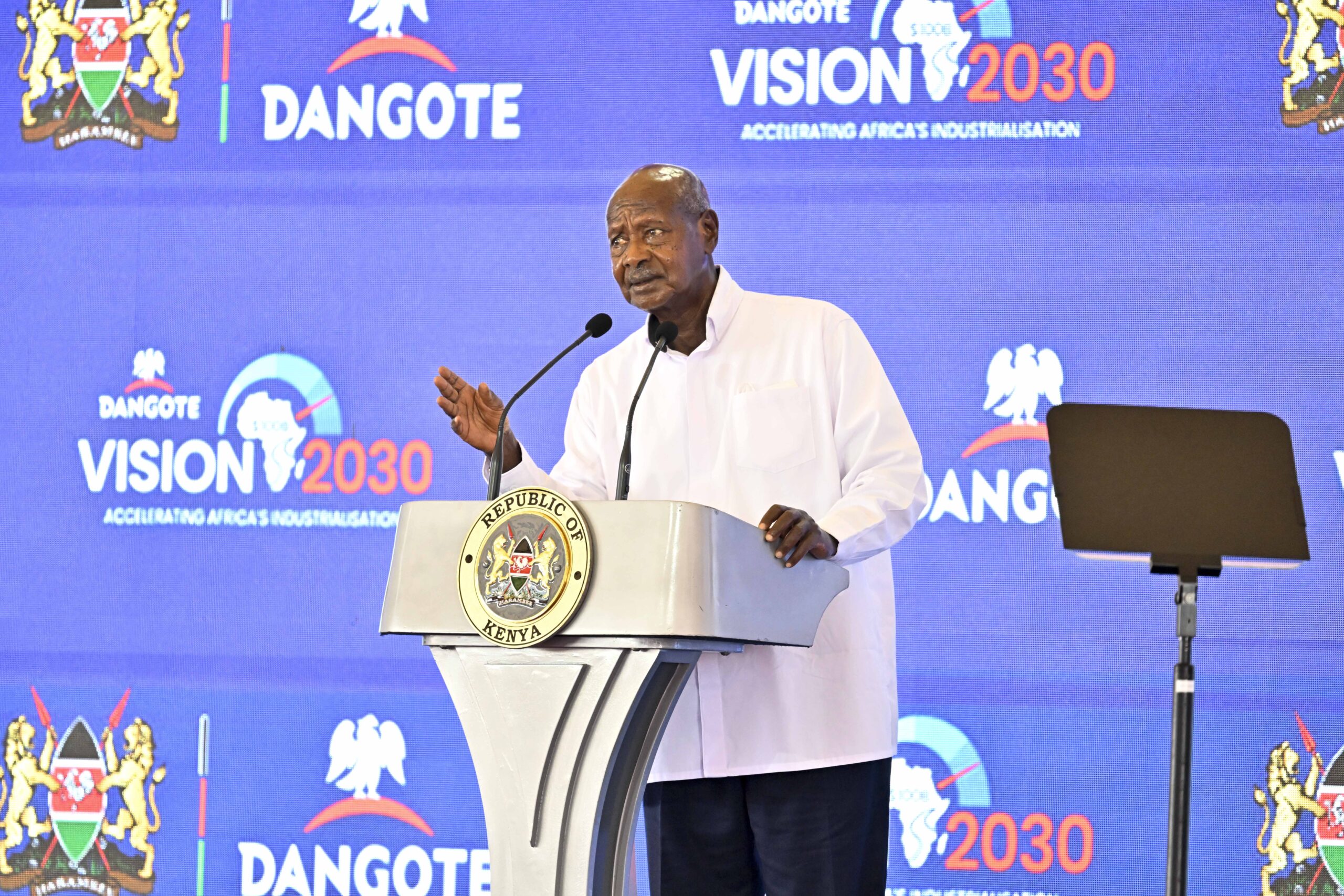
President Yoweri Kaguta Museveni has welcomed plans to establish a major oil refinery in Kenya, saying increased refining capacity across East Africa could accelerate industrialisation, create employment and enable countries to gain greater value from their natural resources.
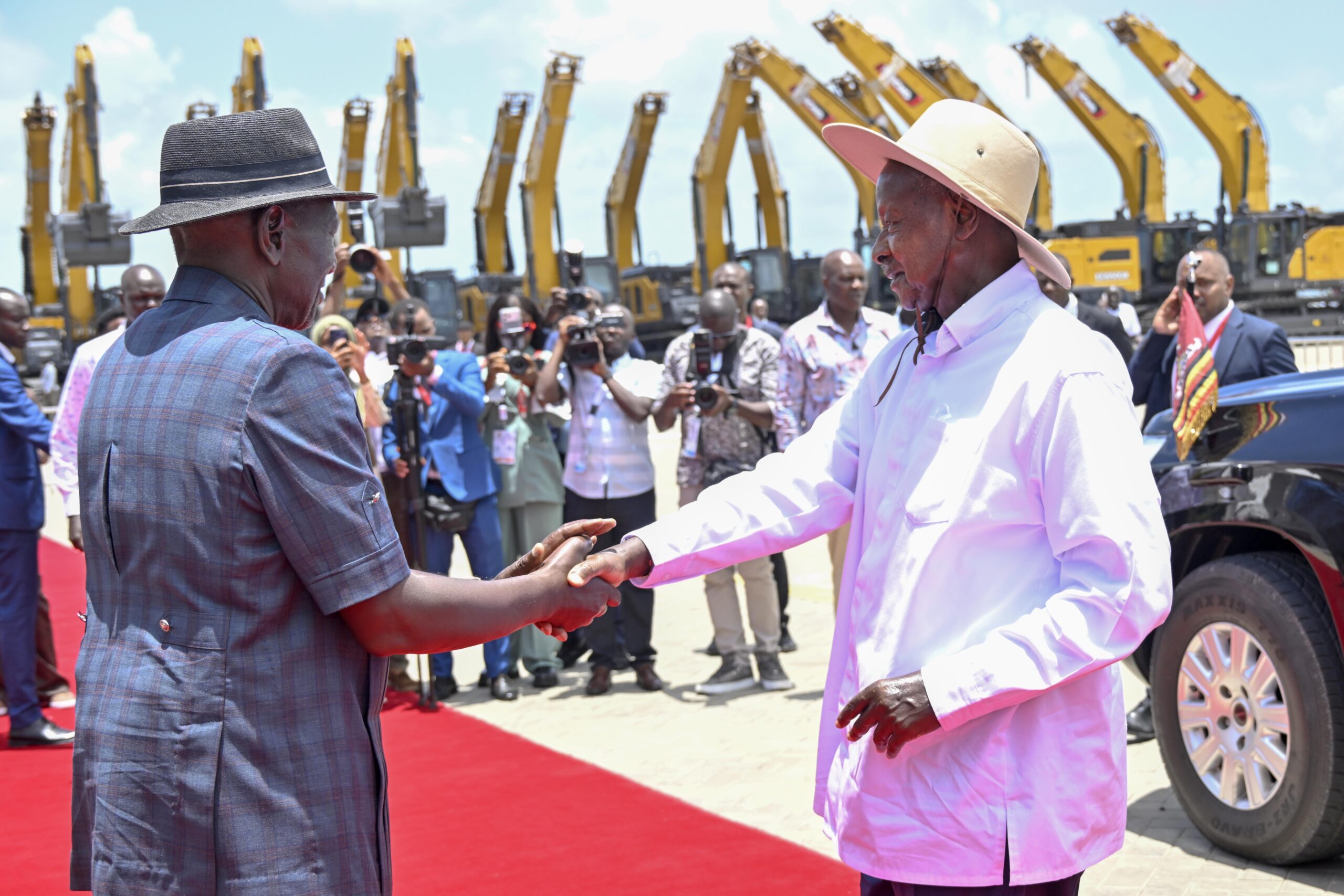
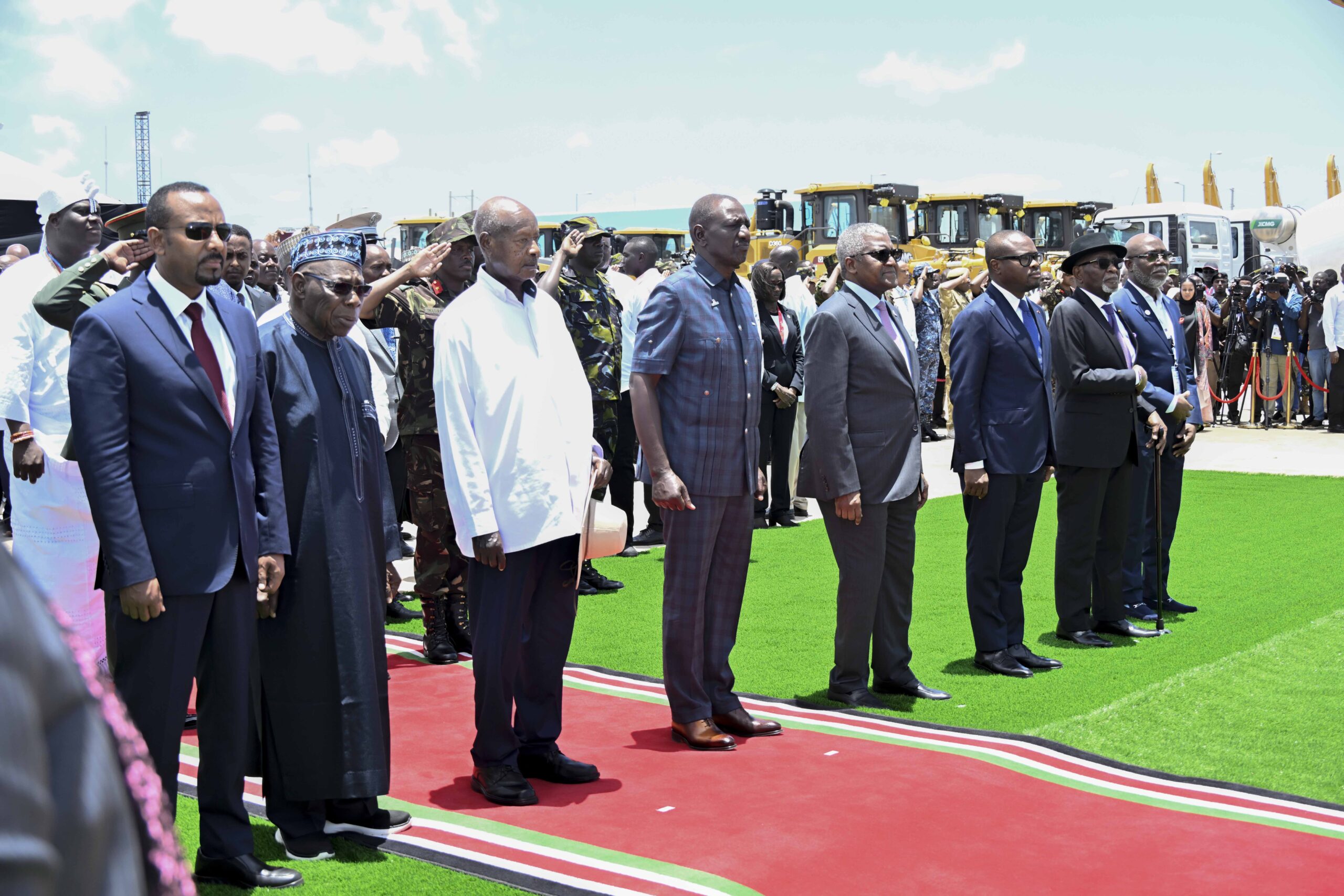
President Museveni made the remarks during the groundbreaking ceremony for the proposed Dangote East Africa Petroleum Refinery and Petrochemicals Special Economic Zone in Mokowe, Lamu County, where he joined Kenyan President William Ruto, Nigerian businessman Aliko Dangote and other African leaders.
The proposed refinery is expected to have a processing capacity of up to 700,000 barrels of crude oil per day and serve markets in East Africa and beyond.
Museveni said the Kenyan project should complement refinery plans in Uganda and Tanzania rather than be viewed as competition.
He reaffirmed Uganda’s intention to establish its own refinery, saying the facility would process Ugandan crude for domestic consumption and supply markets in the interior of Africa.
The President also said he would engage Tanzanian President Samia Suluhu Hassan to establish what had delayed discussions surrounding a proposed refinery in Tanga.
According to Museveni, having several refineries in the region would be beneficial if East African countries coordinate their investments and cooperate on markets, infrastructure and employment.
Museveni Calls for More Value Addition
The President also used the occasion to emphasise the importance of processing African raw materials locally instead of exporting them in their unprocessed form.
He pointed to commodities such as coffee, cotton and gold, arguing that processing can substantially increase their economic value while creating additional jobs and industrial opportunities.
Museveni said Uganda’s decision to pursue domestic oil refining was partly aimed at ensuring that the country captures more economic benefits from its petroleum resources.
He further argued that value addition should extend across the agricultural and mineral sectors, noting that cotton, for example, can create employment not only at the farming and ginning stages but also in spinning, weaving and textile manufacturing.
Push for East African Integration
Museveni also renewed his call for deeper political and economic integration among East African countries.
He argued that stronger regional integration would make it easier for citizens to access employment opportunities, markets and investments across borders.
He cited the proposed refinery and other regional industrial projects as examples of investments that could benefit several countries if the region works as an integrated economic bloc.
The President also raised concerns about situations where raw materials from one country are processed in another without sufficient access to jobs and other economic benefits for the country supplying the resources.
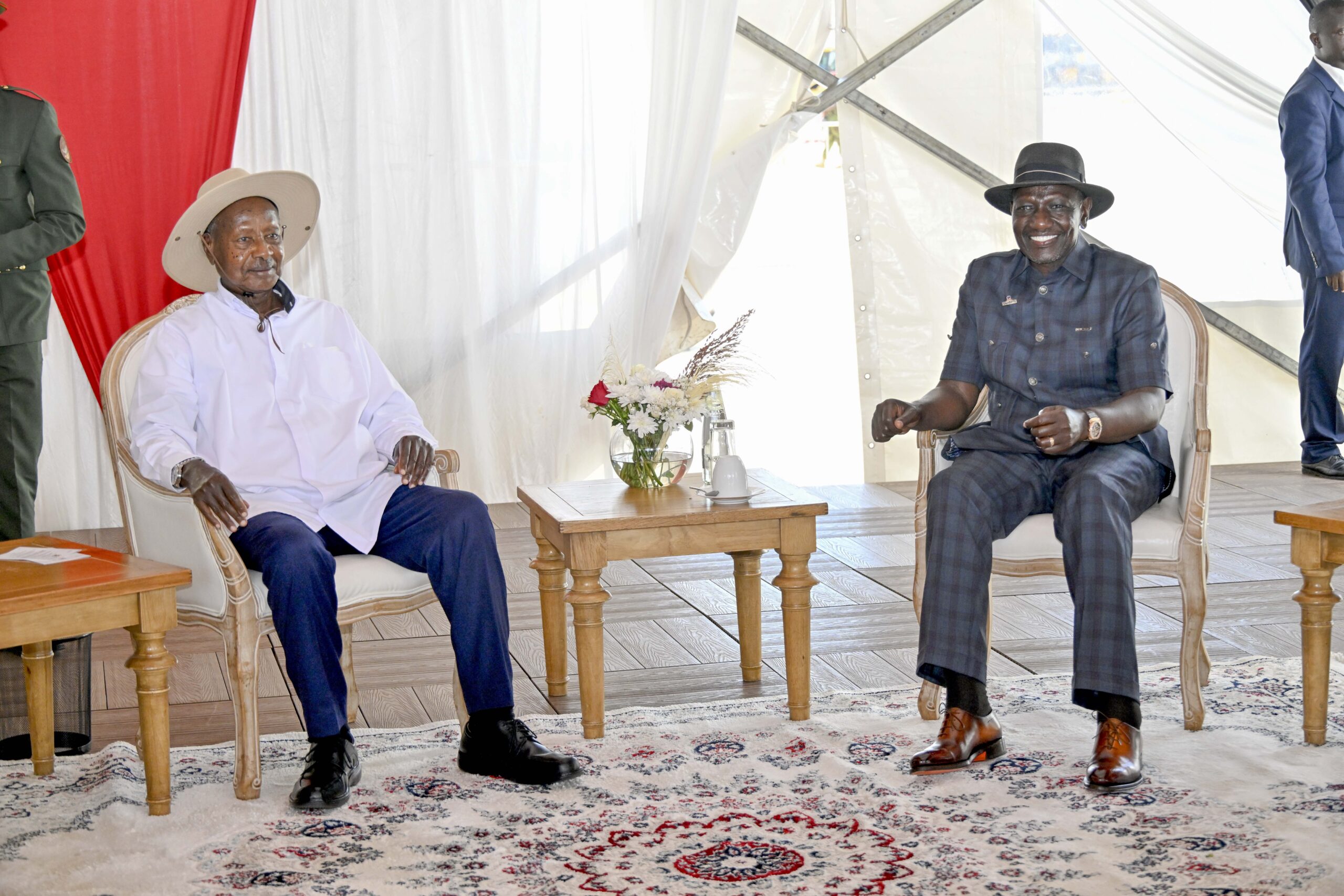
President William Ruto described the refinery as an important step towards strengthening Kenya’s industrial and energy sectors.
He said the facility would support energy security, industrialisation and value addition while serving markets across East Africa.
Ruto also stressed the need for local communities to benefit through employment, skills development and opportunities for businesses.
He called for technical and vocational institutions and universities to prepare skilled workers, including welders, technicians, engineers and managers, who would be required by the project.
Local enterprises are also expected to participate in areas such as transport, accommodation, food supply, construction materials, logistics and professional services.
Aliko Dangote said the refinery would contribute to Africa’s efforts to reduce dependence on imported petroleum products and retain more economic value within the continent.
He said a training school would be established to equip 1,000 local residents with technical and engineering skills.
Dangote also projected that the project could support approximately 60,000 jobs during construction, while local companies would be encouraged to participate in the project’s supply chains.
The refinery is expected to form part of a wider industrial ecosystem involving energy, petrochemicals, logistics, engineering and manufacturing.
Dangote said the facility would have a processing capacity of about 700,000 barrels per day and include petrochemical and power-generation facilities.
He also announced that up to 30 percent of the refinery’s equity could be made available to East African countries, allowing participating states to share in the investment’s returns.
Refinery Planned Along LAPSSET Corridor
The refinery is planned at Lamu Port along the Lamu Port-South Sudan-Ethiopia Transport (LAPSSET) Corridor, a major regional infrastructure project linking Kenya with neighbouring countries.
Project details presented at the ceremony indicate that the refinery could process crude from Kenya’s Lokichar oil fields in Turkana as well as other sources in East Africa.
Its intended markets include Kenya, Uganda, Tanzania, Ethiopia, South Sudan, the Democratic Republic of Congo and other regional markets.
The investment is estimated at US$16 billion and is expected to support downstream industries such as petrochemicals, fertiliser production, packaging and other petroleum-related businesses.
The project is also expected to complement regional infrastructure, including the East African Crude Oil Pipeline (EACOP) linking Uganda’s oil fields in Hoima to Tanzania’s port of Tanga.
The groundbreaking ceremony attracted several African leaders and representatives, while Lamu County officials said the investment could create new opportunities for employment, businesses and infrastructure development.
The project is expected to contribute to regional energy security and support East Africa’s broader efforts to increase local processing, industrialisation and job creation.