 Kadodi Media House Your media place
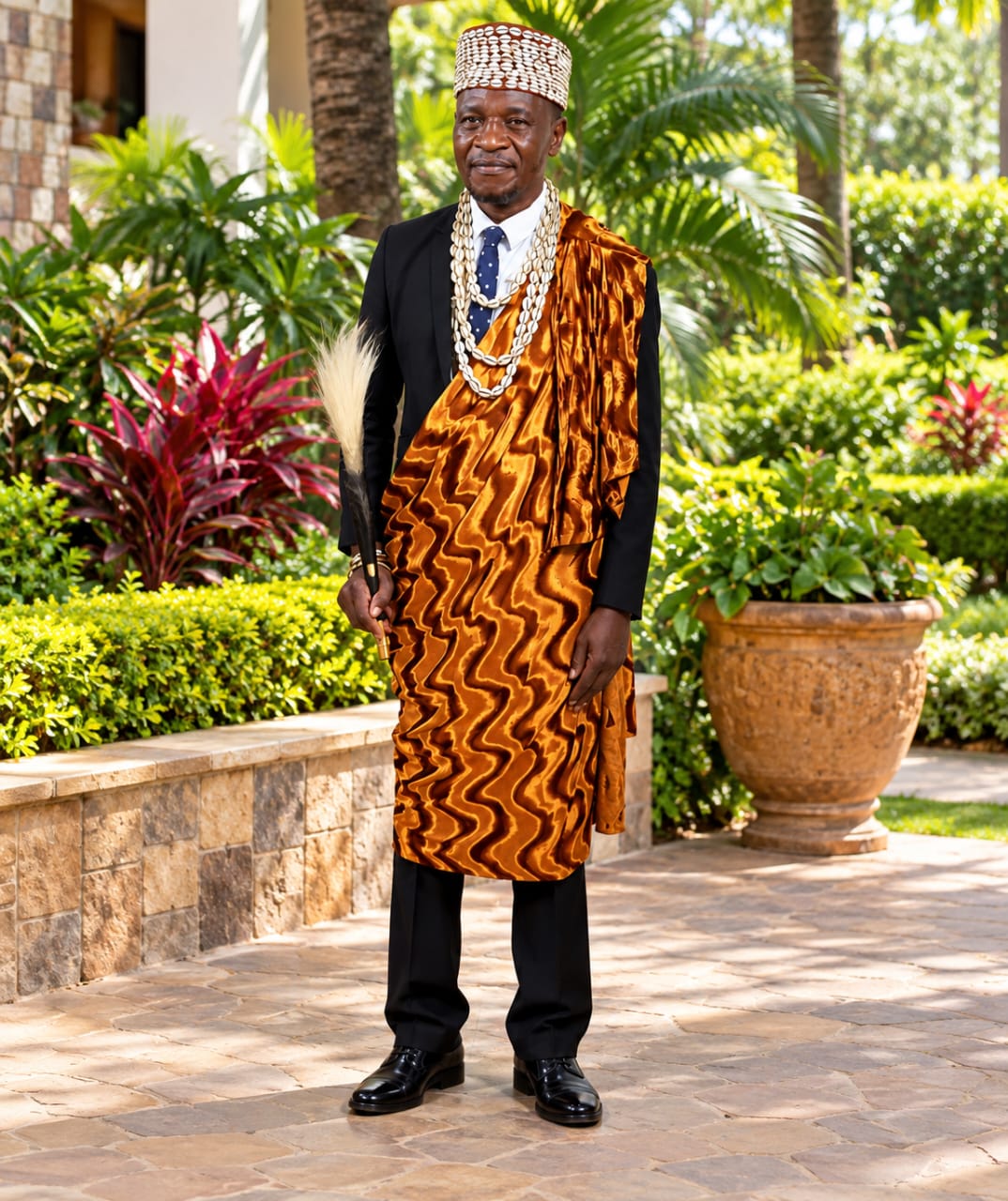 By Hon. Mathias Nabutele
MBALE, UGANDA
A Personal Reflection on the Late Elder Peter Kalibo Namaondo, the Founding Promoters of Inzu Ya Masaaba, and a Lifetime Commitment to the Bamasaaba Cultural Cause
The passing of Elder Peter Kalibo Namaondo, one of the early promoters of Inzu Ya Masaaba (IYM), has brought back powerful memories of the men and women who worked to establish and strengthen the Bamasaaba Cultural Institution.
Namaondo was a patriotic elder, agriculturist, culturalist and community leader who, despite advancing age and increasing frailty, continued to take a keen interest in the cultural affairs of the Bamasaaba. His death is not only a loss to his family and community, but also a reminder that Masaabaland is gradually losing a generation that carries invaluable institutional memory.
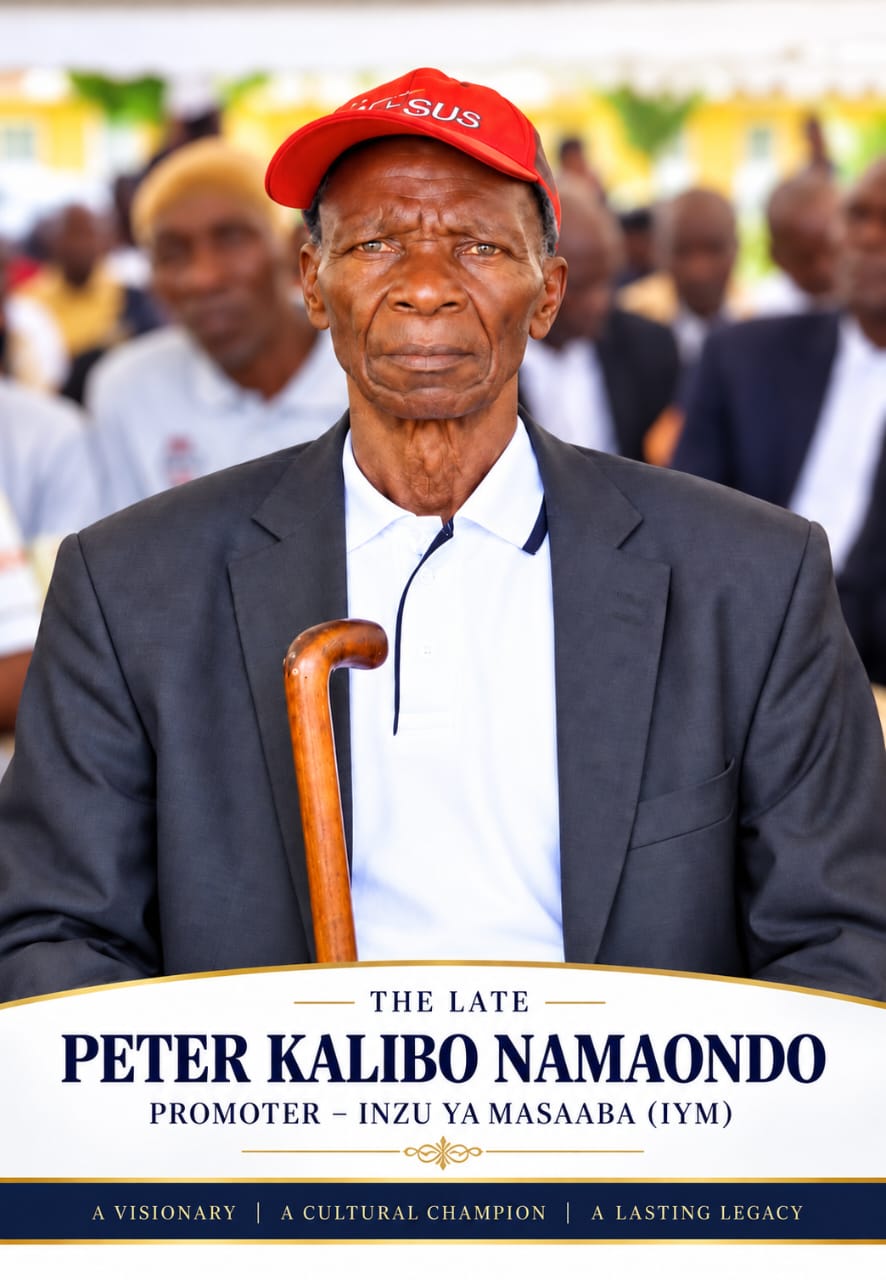
For me, his passing is particularly personal because Kuka Namaondo was among the elders I encountered at a defining moment in my own journey with Inzu Ya Masaaba.
MY FIRST ENCOUNTER WITH THE IYM PROMOTERS
Around 2010, preparations for the coronation of Umukuuka Wilson Weasa Wamimbi were entering their final stages. With approximately three weeks remaining before the ceremony, I was contacted by Tsau David, who approached me regarding possible support towards the coronation.
I was subsequently invited to attend a meeting of the promoters at the residence of Elder Charles Siango Wagwabubi at Mutoto, adjacent to the cultural grounds.
It was there that I met and interacted more closely with some of the senior personalities who had invested considerable time in researching, consulting and developing ideas around the establishment and governance of Inzu Ya Masaaba.
When I examined the preparations, particularly the logistics for the coronation, I discovered that the historic ceremony was expected to take place under hired tents.
I felt that the installation of an Umukuuka deserved something more permanent and culturally representative.
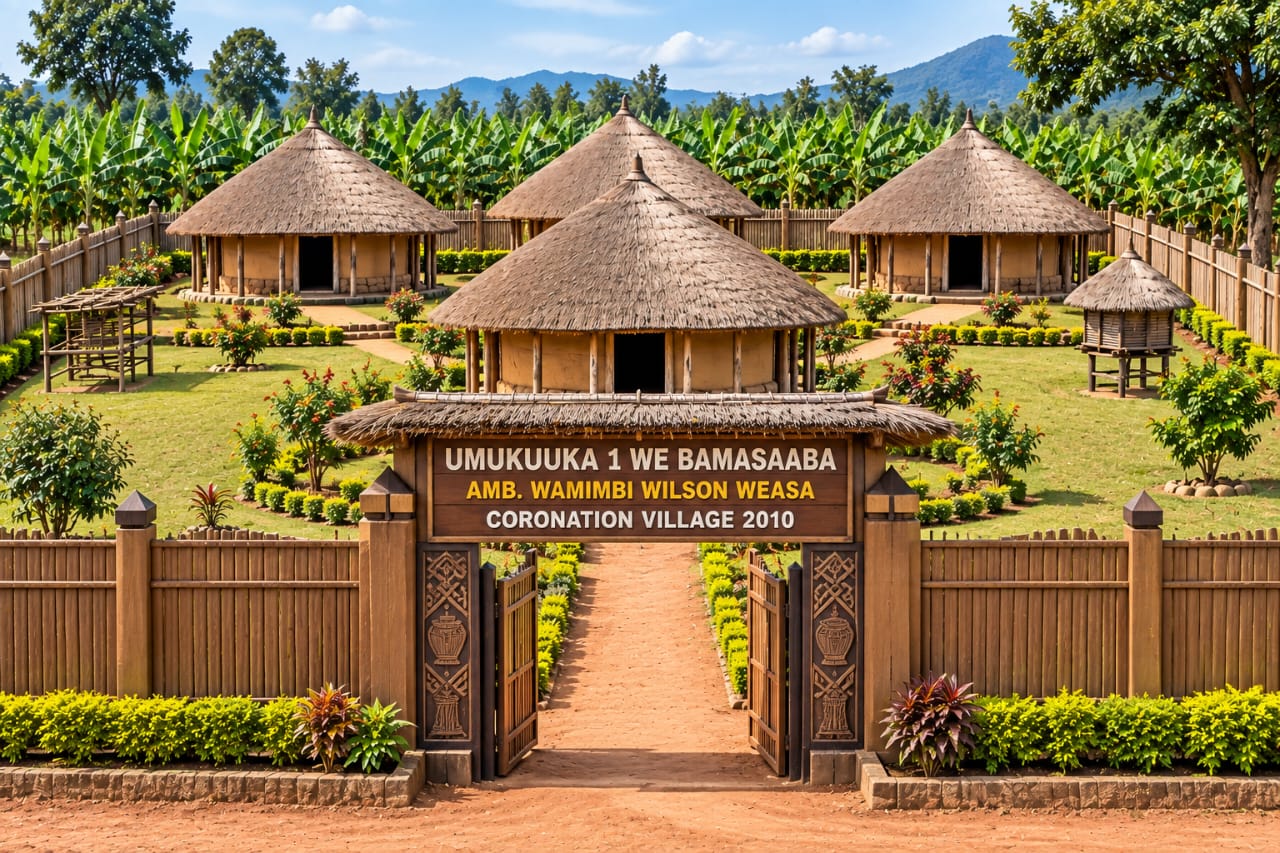
I therefore offered to construct a coronation village consisting of four traditional cultural huts that would provide an appropriate setting for the ceremony and leave behind a physical cultural landmark.
The elders did not immediately accept my proposal.
They did not know me well enough, and understandably questioned my intentions and motivation. For an institution at such a sensitive formative stage, they wanted to know who was coming close to its activities and why.
The committee, chaired by the late Prof. Dan Nabudere, consequently assigned Bob Mushikori to conduct due diligence on me before I could become involved in the coronation preparations.
Following those inquiries, I was cleared.
But by then, only about two weeks remained before the coronation.
TWO WEEKS TO BUILD A CULTURAL VILLAGE
Once permission was granted, there was no time to waste.
We worked day and night to make the idea a reality. I personally committed approximately UGX 10 million towards constructing the coronation village and its cultural huts.
Against the pressure of time, the village was completed.
It became part of the historic coronation setting and subsequently served as Umukuuka Wamimbi’s initial cultural village.
Unfortunately, the structures were later destroyed by fire amid community disputes around Mutoto. The physical structures disappeared, but the history behind their construction should never disappear with them.
Elder Peter Kalibo Namaondo was among the people who witnessed that period.
Coming from the wider Bududa area and knowing my background and roots, he was among those who understood my capabilities and extended goodwill toward my involvement.
That relationship grew over the years.
I would later serve alongside Kuka Namaondo within the structures of Inzu Ya Masaaba, including in the Cabinet and General Assembly.
A COMMITMENT THAT DID NOT END WITH THE CORONATION
My contribution to the 2010 coronation was not intended to be a one-off intervention. It became part of a much longer commitment to the cause of Inzu Ya Masaaba.
Across different administrations, disagreements and periods of institutional difficulty, I have continued to support the principle that the Bamasaaba need a strong, organised and constitutionally grounded cultural institution capable of preserving our heritage while serving future generations.
Cultural institutions cannot survive on personalities alone. They require records, functioning organs, accountable leadership, institutional memory and respect for the men and women who laid their foundations.
This is why the passing of elders such as Kuka Namaondo should concern all of us.
Every time one of these elders dies without their experiences being properly documented, we risk burying a library of Bamasaaba history with them.
THE PROMOTERS DESERVE A PERMANENT PLACE IN OUR HISTORY
The initial promoters of Inzu Ya Masaaba undertook research, consultations and organisational work that helped shape the institution inherited by succeeding generations.
Their contribution should be studied in its historical context. Where there were weaknesses, later generations can improve upon them, but we should never erase the sacrifice and intellectual work of those who came before us.
Among the promoters and senior contributors deserving recognition are:
Mr. Wofuta Namwata Nagimesi
Mr. Wotaluka Mainza
Eng. Darlington Sakwa
Mr. Michael Mutende
Mr. Peter Kalibo Namaondo (RIP)
Mrs. Mary Mutonyi Odedo
Mr. Damascus Situma Munyanda
Justice George Masika
Prof. Timothy Wangusa
Mr. Charles Siango Wagwabubi
Mr. Charles Mungoma
Mrs. Naome Namarome Aryada
Amb. Wilson Weasa Wamimbi (RIP)
Canon Wakiro Codvia (RIP)
Mr. Wekunya Cornelius (RIP)
Rev. Fr. James Kkangala Khulosya (RIP)
Rt. Rev. Peter Mudonyi (RIP)
Prof. Dan Nabudere (RIP)
Rev. Zadok Wetaka (RIP)
Hon. William Giboni Wanendeya (RIP)
These names should not simply remain on old papers, minutes or in the memories of a diminishing generation. Their individual stories should be researched, recorded and preserved.
MUTOTO NEEDS A PUBLIC CULTURAL MUSEUM AND ARCHIVE
For years, I have advocated for the establishment of a public museum, heritage archive and documentation centre at Mutoto Cultural Site.
The deaths of our senior elders make this increasingly urgent.
Such a centre could preserve photographs, constitutions, correspondence, recordings, traditional artefacts, clan histories, biographies, coronation records, Imbalu history and oral testimonies from surviving promoters and elders.
Most importantly, the surviving elders should be interviewed now.
Their voices should be professionally recorded. Their documents should be digitised. Their personal accounts of the formation of Inzu Ya Masaaba should be collected and compared so that future researchers, students and cultural leaders have access to primary historical evidence.
A Wall of Fame of Inzu Ya Masaaba should also permanently recognise the women and men who went the extra mile for the institution.
FAREWELL, KUKA NAMAONDO
It is painful that many of our senior elders are departing at precisely the time when we need their wisdom and institutional memory most.
Kuka Peter Kalibo Namaondo was more than a name associated with the formative years of Inzu Ya Masaaba. He was a witness to an important chapter of our cultural journey and remained committed to the institution through many years of change.
I will remember him as an elder who knew where we had come from, who understood the struggles involved in building the institution, and with whom I would later have the privilege of serving.
His passing strengthens my conviction that preserving Bamasaaba history must no longer be postponed.
To the family, relatives, the Mushika Clan, fellow elders and the entire Bamasaaba community in Uganda, Kenya and the diaspora, we extend our deepest sympathies.
Fare thee well, Kuka Peter Kalibo Namaondo.
Your generation laid foundations upon which others continue to build. The structures you helped establish may change with time, but your contribution deserves a permanent place in the history of the Bamasaaba.
May your legacy live on through the institution you helped promote and through generations yet to come.