 Kadodi Media House Your media place
By Our Staff Reporter
Mbale, Uganda | July 22, 2026
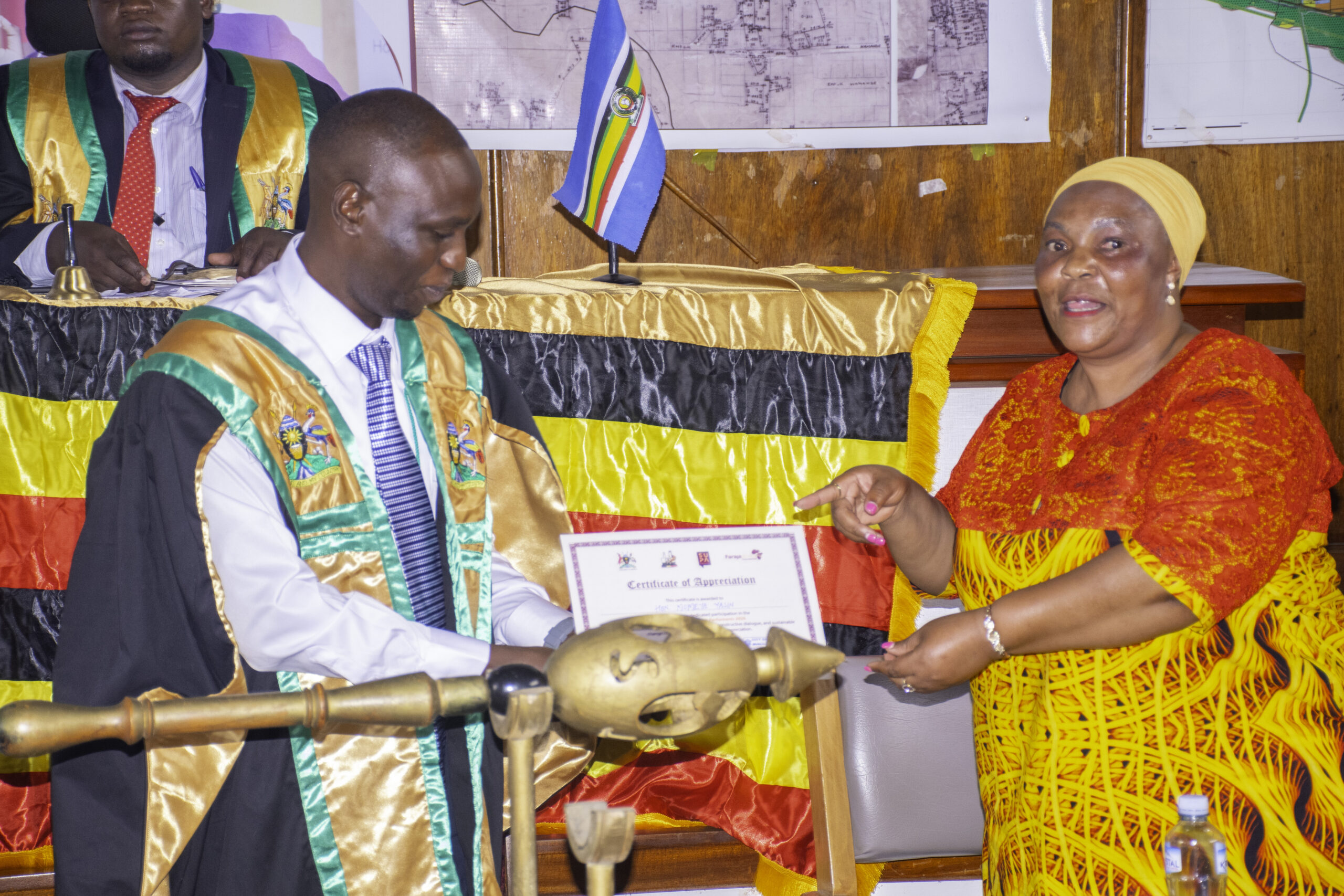
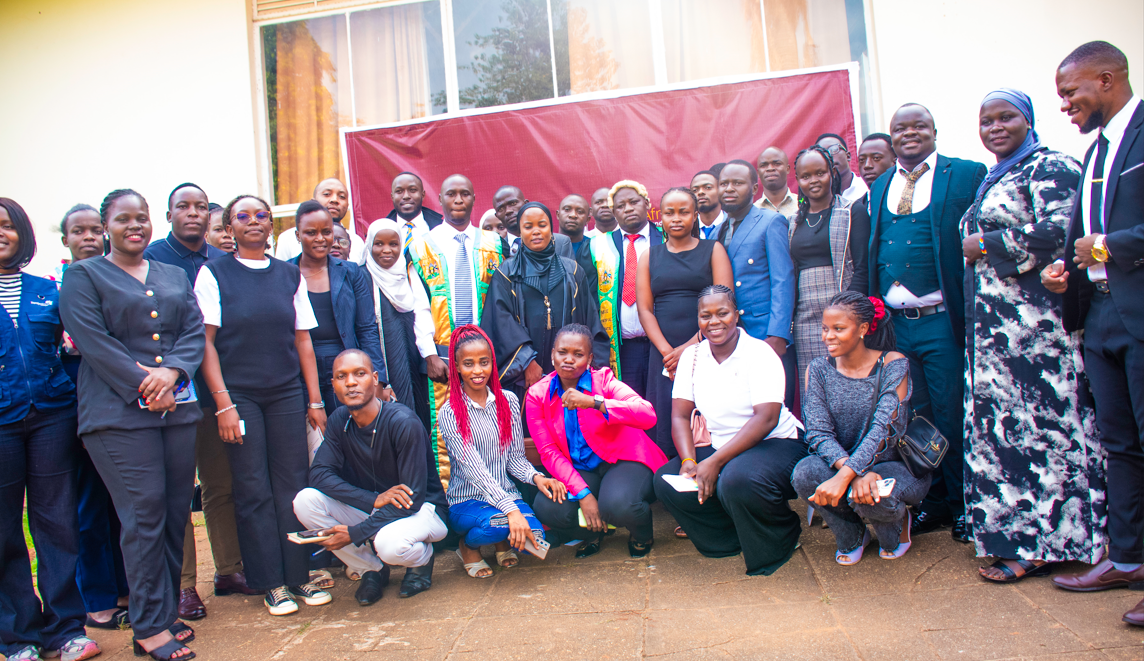
Young leaders from the Bugisu, Teso and Bukedea sub-regions have called on the Government of Uganda to strengthen youth economic empowerment, disaster preparedness and employment opportunities after passing a series of resolutions during the Second Sitting of the 8th Sub-National Youth Parliament held in Mbale City.
The youth parliament, organized by Faraja Africa Foundation in partnership with the Centre for Policy Analysis (CEPA) through Parliament Watch Uganda, brought together youth representatives, policymakers and stakeholders to debate issues affecting young people in Eastern Uganda.
The sitting provided a platform for participants to deliberate on pressing socio-economic challenges before adopting recommendations that will be forwarded to the National Youth Parliament and ultimately presented before the Parliament of Uganda for consideration.
Four Major Motions Tabled
The day’s proceedings featured four key motions addressing youth development and governance.
The first motion, which was adopted by the House, urged the Government to strengthen and expand access to affordable financing, market linkages and youth livelihood programmes, including the Parish Development Model (PDM), to enable more young entrepreneurs to benefit from government initiatives.
Delegates argued that although several government programmes exist, many young people continue to face barriers in accessing funding due to limited information, corruption, bureaucracy and inadequate market opportunities.
A second motion proposing the introduction of practical vocational and life skills training from lower primary education was debated extensively but was rejected by members.
Members expressed concern that introducing vocational training at such an early stage could place an additional burden on young learners. Others argued that parents should continue playing a leading role in imparting life skills and values while schools focus on foundational education.
The House later passed a third motion calling on Government to strengthen climate resilience, sustainable agriculture and disaster preparedness in Eastern Uganda.
Members noted that the region continues to experience destructive landslides, floods and prolonged droughts, particularly in districts such as Bulambuli and Bududa, emphasizing the need for improved early warning systems, disaster response mechanisms and support for affected communities.
A fourth motion seeking greater government investment in youth employment through industrialisation, skills development, sports, tourism, creative arts and the digital economy was also overwhelmingly adopted.
Youth legislators argued that many talented young people remain unemployed despite possessing skills in technology, sports and creative industries, calling for increased investment in innovation hubs, talent development and entrepreneurship.
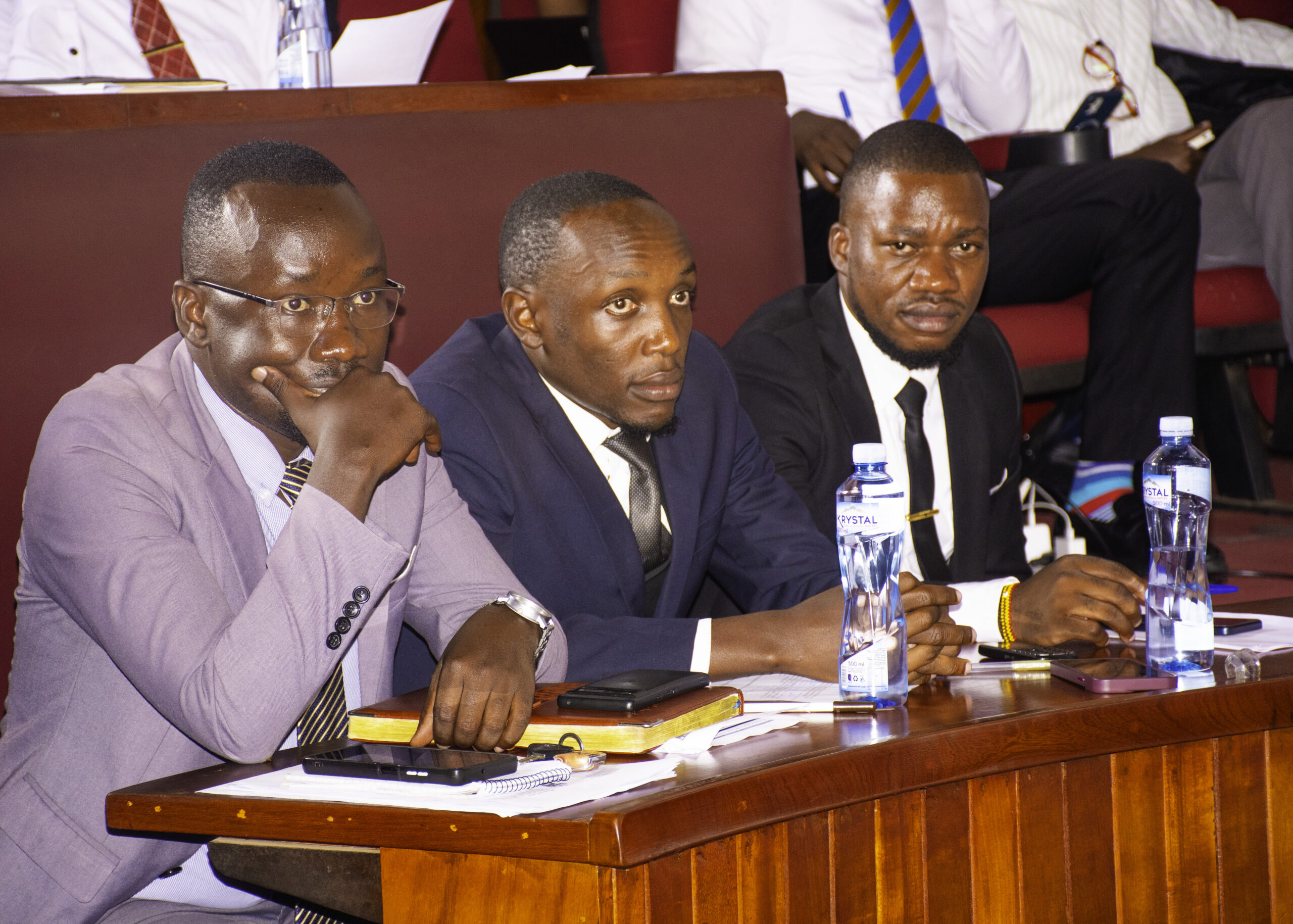
Youth Voices Must Shape National Policy
Speaking after the sitting, Timothy Aine, representing the Centre for Policy Analysis (CEPA) and Parliament Watch Uganda, said the organization’s role extends beyond observing parliamentary sessions.
He explained that Parliament Watch documents debates, captures recommendations from young people and transforms them into policy briefs and position papers that are shared with Members of Parliament and relevant government institutions.
“Our objective is to bridge the gap between youth voices and government decision-making,” Aine said.
He noted that discussions held during sub-national youth parliaments should not end in conference halls but should instead influence policies that improve the lives of young people.
Aine cited ongoing national conversations on education reform and youth employment as examples of issues that have consistently been driven by youth engagement and evidence-based policy advocacy.
He added that Parliament Watch is proud to contribute to ensuring that young people’s concerns reach decision-makers responsible for policy formulation and implementation.
Building Future Leaders
Faraja Africa Foundation Country Liaison Officer Phoebie Natukunda described the Sub-National Youth Parliament as an important civic engagement platform that equips young people with leadership, advocacy and democratic participation skills.
She said the youth parliament brings together representatives from different regions across Uganda to debate issues including governance, education, employment, entrepreneurship, healthcare and sexual and reproductive health.
According to Natukunda, motions adopted during regional sittings are consolidated and presented before the National Youth Parliament, where Youth Members of Parliament further debate them before forwarding recommendations to the Parliament of Uganda.
She said the initiative also promotes civic education by helping young people understand their constitutional rights and responsibilities while encouraging constructive engagement with leaders.
Beyond policy discussions, she noted that the programme supports community development initiatives such as environmental conservation, sanitation campaigns and public awareness activities.
Speaker Highlights Resolutions
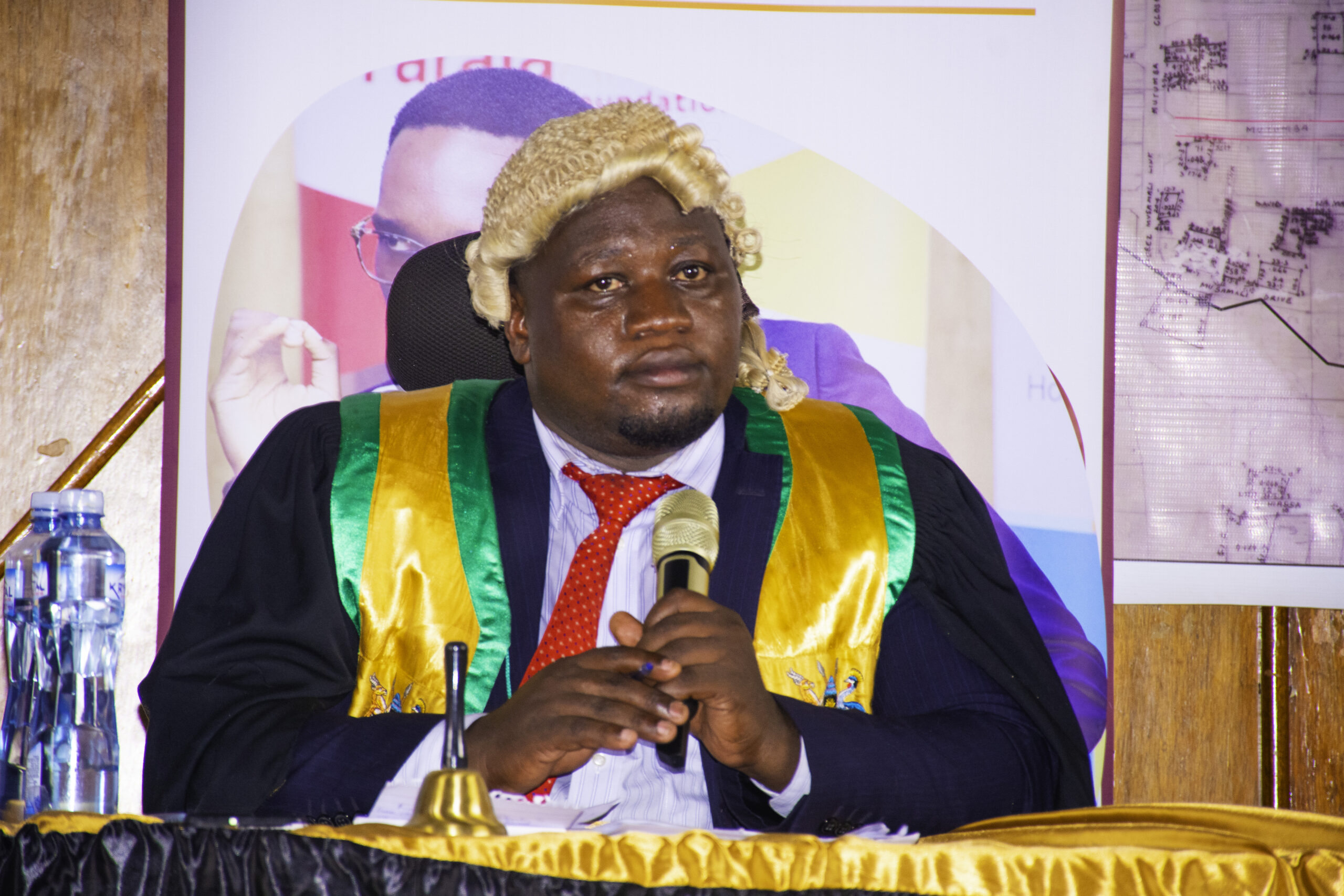
Speaker of the Eastern Sub-National Youth Parliament Ssemuganza Frank welcomed the outcomes of the sitting, saying the adopted resolutions reflected the real priorities of young people in Eastern Uganda.
He said members deliberately passed the motion on expanding youth financing because many young people continue to struggle to access government livelihood programmes.
Regarding the rejected vocational education motion, Ssemuganza explained that members believed lower primary learners should first concentrate on foundational education while families continue nurturing life skills and values at home.
He further emphasized the urgency of strengthening disaster preparedness following repeated landslides and climate-related disasters that have affected communities across Eastern Uganda.
On youth employment, he urged government to invest more in technology, sports, innovation and the creative industry, arguing that many young people possess talents that remain under-supported despite their potential to contribute to national development.
Resolutions to Advance to National Level
The resolutions adopted during the Eastern Sub-National Youth Parliament will now be compiled together with recommendations from similar sittings in other regions, including Busoga, West Nile, Karamoja, Rwenzori, Central and Western Uganda.
These resolutions will be presented at the upcoming National Youth Parliament, where youth legislators from across the country will debate them before forwarding the final recommendations to the Parliament of Uganda for policy consideration.
The Eastern sitting reaffirmed the growing role of youth-led dialogue in influencing public policy, with organizers expressing optimism that the resolutions will contribute to more responsive programmes addressing youth unemployment, education, disaster resilience and economic empowerment.